
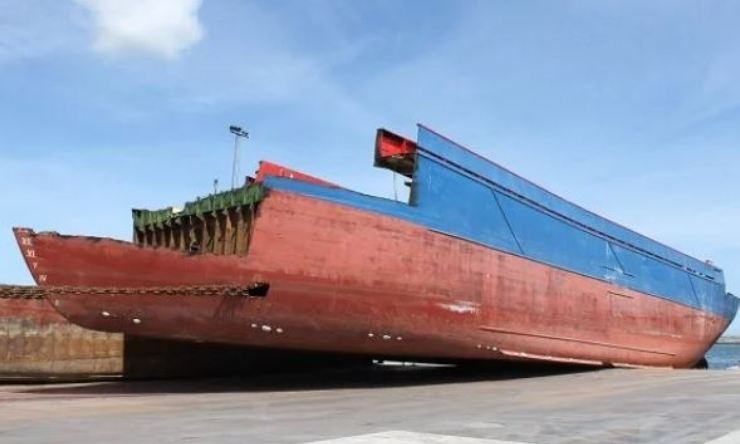
Several sanctioned tankers, along with an LNG carrier, are heading to Indian ship-recycling facilities as owners move older vessels toward demolition and recycling.
The vessels are expected to be processed at India’s established ship-recycling centres, where ships are dismantled and their steel and other materials recovered for reuse. The arrival of such vessels could provide additional activity for the country’s ship-recycling industry.
India is one of the world’s major ship-recycling destinations, with facilities in Alang and other locations handling vessels across a range of sizes and types. Shipowners typically consider vessel age, operating costs, market conditions and regulatory requirements when deciding whether to continue trading or send ships for recycling.
The movement of sanctioned tankers toward recycling yards also highlights the challenges faced by older vessels that have become commercially difficult to operate because of restrictions, compliance requirements or limited access to mainstream maritime services.
For Indian recyclers, additional vessel arrivals can support yard utilisation and demand for downstream services, including steel processing and equipment recovery. However, the handling of sanctioned vessels can require careful compliance checks to ensure that transactions and recycling activities comply with applicable international and domestic regulations.
The LNG carrier is also notable because specialised gas vessels can require additional safety and technical procedures during recycling. Yards must follow strict processes for gas-freeing, hazardous-material handling and dismantling.
The vessels’ arrival will be closely watched by the ship-recycling market as India continues efforts to expand its role in environmentally responsible and compliant vessel recycling.