
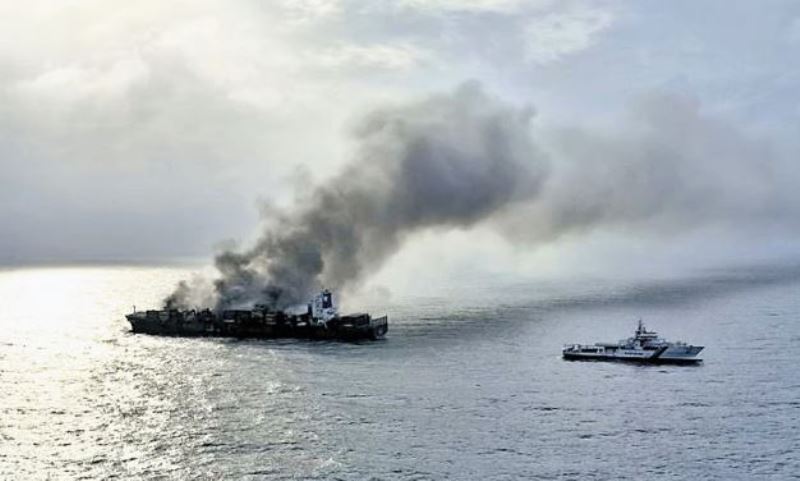
Iran’s Islamic Revolutionary Guard Corps (IRGC) Navy has reported that seven vessels were hit in the Persian Gulf region and near the Strait of Hormuz, raising fresh concerns over maritime security along one of the world’s most important shipping routes. The claims were reported on October 22, 2026, amid escalating regional tensions.
According to the IRGC Navy, four vessels involved in ship-to-ship oil transfers in the northern Persian Gulf were struck simultaneously and caught fire on Wednesday. Iranian forces alleged that the vessels had been using unauthorised shipping routes.
The Iranian force also said three other vessels struck naval mines west of the Strait of Hormuz and caught fire. The identities, nationalities and ownership of the seven vessels have not been disclosed, and the claims have not been independently verified.
The IRGC Navy warned that continued US military activity in the region could lead to a wider confrontation, including potential retaliation against American military bases across the Middle East. The warning comes amid tensions over maritime access and efforts to facilitate commercial shipping through the strategic waterway.
The Strait of Hormuz connects the Persian Gulf with the Gulf of Oman and the Arabian Sea. Before the current conflict, approximately one-fifth of global oil and liquefied natural gas supplies passed through the route, making it critical to international energy trade.
The latest reports add to concerns among shipowners, insurers and freight operators over vessel safety, insurance premiums and transit planning. Continued disruption could affect tanker movements, energy shipments and container services operating through the region.
Shipping companies may need to reassess voyage risks, monitor maritime security advisories and coordinate closely with authorities before transiting the area.
The extent of the reported damage, the status of the vessels and any casualties remain unclear. The latest claims underscore the uncertainty facing commercial shipping in the Persian Gulf and the Strait of Hormuz.