
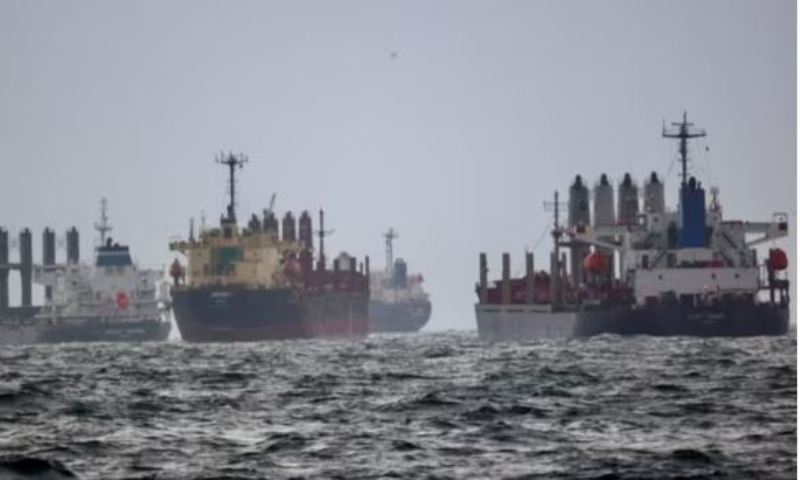
Türkiye has resumed normal vessel movements through its straits following delays that had affected ships travelling between the Black Sea and the Mediterranean, helping ease a temporary disruption to regional maritime traffic.
The Turkish Straits — the Bosphorus and Dardanelles — are critical shipping corridors connecting the Black Sea with the Mediterranean and global trade routes. Turkish officials said vessel passage was continuing smoothly on Sunday, despite heightened security concerns following a series of incidents involving commercial vessels in the Black Sea.
Traffic disruption eases
Recent delays had raised concerns among ship operators using the Bosphorus and Dardanelles, with vessels facing additional waiting time before entering or leaving the Black Sea.
The resumption of traffic provides some relief to carriers, bulk operators and tanker companies that depend on the Turkish Straits to access ports in Türkiye, Russia, Ukraine and other Black Sea markets.
The waterways are particularly important for the movement of grain, crude oil, petroleum products, metals and other commodities between Black Sea producers and international markets.
Security concerns remain
The return of vessel movements comes amid increased security risks in the Black Sea. Commercial shipping has recently faced attacks and incidents involving drones, prompting concerns among operators and authorities.
Reports indicated that Türkiye had considered or introduced restrictions affecting some commercial vessels entering the Black Sea amid the rise in attacks.
Several incidents involving merchant ships have increased pressure on operators to reassess routes and security measures. The risks have also contributed to higher insurance and operational concerns for vessels trading with Black Sea ports.
Strategic maritime corridor
The Turkish Straits remain one of the world’s most important maritime chokepoints. More than 40,000 vessels transited the İstanbul and Çanakkale straits during the first half of 2025, according to Türkiye’s transport ministry, highlighting the scale of commercial traffic moving through the waterways.
Any prolonged disruption can therefore have consequences beyond Türkiye, potentially affecting commodity exports, vessel schedules, freight costs and supply chains across Europe, the Mediterranean and Asia.
Shipping sector watches developments
Although vessel traffic has resumed, shipping companies continue to monitor security conditions closely. Operators may maintain additional precautions for voyages to and from Black Sea ports while assessing the risk of further incidents.
For the regional shipping market, the restoration of smoother transit through the Turkish Straits should help reduce congestion and improve schedule reliability. However, continued attacks on commercial shipping could still create volatility in Black Sea freight rates, insurance premiums and vessel availability.