
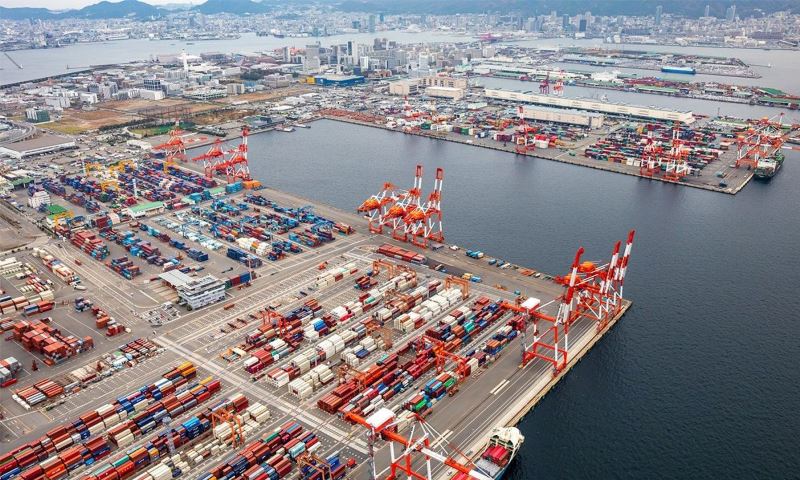
Vietnam has announced a reduction in inland port fees as part of a broader effort to strengthen its logistics sector and improve overall supply chain efficiency.
The move is aimed at lowering transportation and handling costs for businesses, particularly exporters who rely heavily on inland container depots (ICDs) for cargo consolidation and movement to seaports. By easing fee structures, authorities expect to enhance the competitiveness of Vietnamese goods in global markets.
Industry stakeholders have welcomed the decision, noting that high inland logistics costs have long been a bottleneck in the country’s trade ecosystem. The fee cuts are expected to encourage greater utilization of inland ports, reduce congestion at major seaports, and streamline cargo flows across key industrial corridors.
Vietnam’s logistics sector has been expanding rapidly, driven by strong manufacturing growth and increasing participation in global supply chains. However, inefficiencies in multimodal connectivity and cost pressures have posed challenges to sustaining momentum.
The government’s latest initiative aligns with its broader strategy to modernize logistics infrastructure, promote digitalization, and attract private investment into the sector. Improvements in road and rail connectivity, along with the development of logistics hubs, are also underway to support rising trade volumes.
Analysts believe the fee reduction could provide immediate relief to exporters while contributing to long-term structural improvements in the supply chain. As Vietnam continues to position itself as a key manufacturing and export hub in Southeast Asia, such measures are expected to play a crucial role in enhancing its global trade competitiveness.