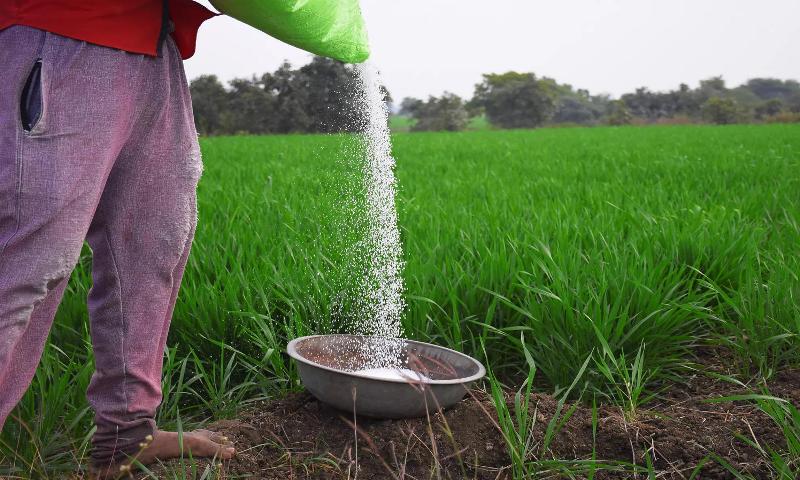
India’s agriculture sector may be staring at another supply-side disruption, as China tightens its control over specialty fertiliser exports, industry officials say.
“Of the total 6 lakh tonnes of non-subsidised specialty fertilisers imported into India annually, approximately 80% originates directly or indirectly from China,” said Rajib Chakraborty, National President of the Soluble Fertiliser Industry Association. Domestic production accounts for just 10%, with the remaining sourced from other countries, he added.
The immediate concern stems from China’s Entry-Exit Inspection and Quarantine process, which is a mandatory certification for all exports. “Manufacturers must obtain a CIQ certificate, which is often both country- and customer-specific. Any delay or non-issuance of CIQ certificates can restrict or halt exports,” Chakraborty noted.
Over the past four years, China has intermittently imposed restrictions on fertiliser exports, including specialty fertilisers, he said. These curbs primarily work through delays or withholding of CIQ clearances. “While earlier disruptions were short-term, the current halt is more stringent and appears to reflect a deeper, more sustained export control strategy since 2021,” he added.
India’s dependence on Chinese inputs for high-value horticulture and precision farming makes this disruption particularly concerning. The industry is now calling for greater domestic production capacity and diversification of import sources to shield the sector from such external shocks.
