
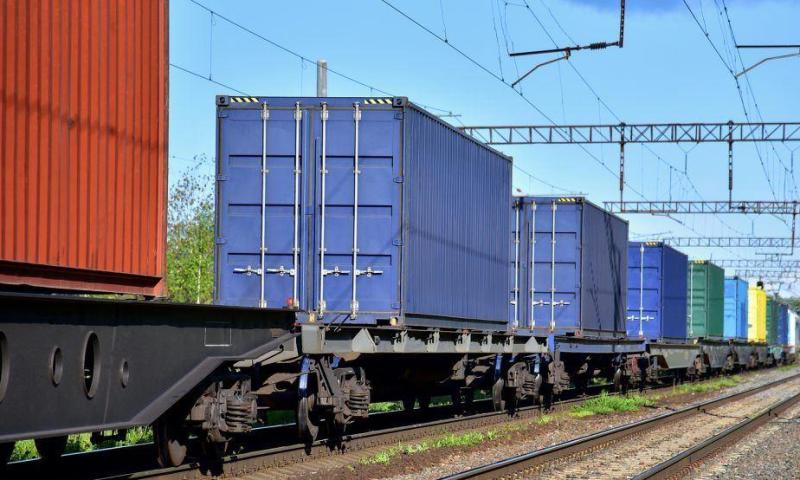
Rail freight between China and Iran has skyrocketed, increasing sixfold over the past nine months, according to trade and logistics data, reflecting growing economic ties and the strategic importance of rail corridors connecting Asia and the Middle East.
The surge comes amid rising demand for electronics, machinery, and industrial goods from China, while Iran continues to export petrochemicals, steel products, and agricultural commodities via the rail link. Analysts say the growth demonstrates the increasing reliability of rail freight compared with traditional sea routes, offering faster transit times and lower logistical risks for both countries.
Key corridors linking northwestern China to Iran via Central Asia have been upgraded with enhanced customs facilities, tracking systems, and multimodal connectivity, allowing shipments to move more quickly and efficiently. Chinese freight operators reported that transit times have shortened to around 15–18 days, compared with 30–40 days via traditional maritime routes.
Trade sources highlight that the rail surge is also supported by Iran’s efforts to modernize its rail infrastructure and streamline cross-border clearances, facilitating larger volumes of bulk and containerized goods.
The growth in rail freight aligns with broader geopolitical and trade trends, including China’s Belt and Road Initiative, aimed at strengthening overland connectivity with key partners in Asia, the Middle East, and Europe. Logistics experts suggest that if current momentum continues, rail may capture an increasing share of China-Iran trade in the coming years, complementing sea and air routes.