
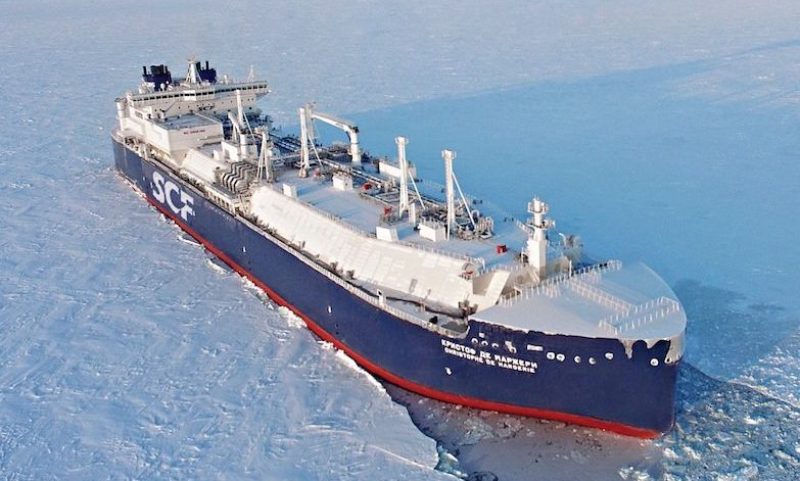
An intense cold spell has gripped the Baltic Sea, marking the iciest winter conditions in 15 years and raising concerns over potential disruptions to Russian export flows through key northern ports.
Expanding ice coverage across parts of the Gulf of Finland and surrounding waters has slowed vessel movements and increased reliance on icebreaker assistance. Shipping operators report longer turnaround times and higher operating costs as navigation becomes more complex under severe weather conditions.
Russia relies heavily on Baltic ports for the export of crude oil, petroleum products, coal and fertilisers. Terminals such as Port of Primorsk and Port of Ust-Luga are particularly vulnerable during prolonged freezes, as ice accumulation can restrict tanker access and delay cargo loadings.
Maritime authorities have stepped up icebreaker deployments to maintain navigational safety and keep trade lanes open. However, analysts warn that if extreme temperatures persist, export volumes could face temporary bottlenecks, potentially tightening supply in global energy and commodity markets.
The harsh winter underscores the seasonal risks facing northern shipping routes, where climatic conditions can quickly impact logistics chains. While Russia has invested in ice-class vessels and winter navigation infrastructure, sustained freezing conditions remain a challenge for uninterrupted export operations.