
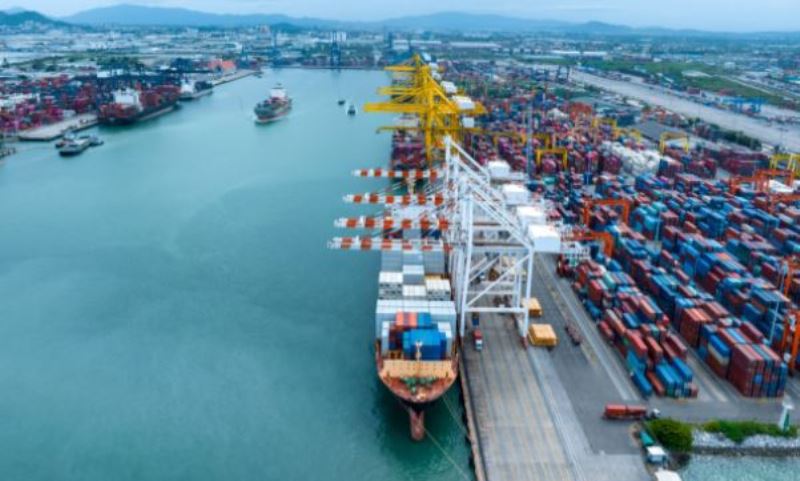
The government has appointed Voyants Solutions to undertake a comprehensive techno-commercial feasibility study for the proposed dry bulk transshipment port at Atlanta Bay, marking a key step in advancing strategic maritime infrastructure in the region.
The study will assess the technical viability, commercial potential, environmental considerations, and financial structuring of the proposed deep-water facility. The project is aimed at positioning Atlanta Bay as a major dry bulk transshipment hub capable of handling commodities such as coal, iron ore, limestone, and other bulk cargoes.
Officials said the assessment will evaluate optimal port configuration, draft requirements, cargo handling systems, storage infrastructure, hinterland connectivity, and phased development potential. Traffic projections, market demand analysis, and revenue modelling will also form core components of the report.
Strategically located along key international shipping routes, Atlanta Bay is seen as having the potential to attract bulk cargo transshipment currently routed through foreign ports. The proposed hub is expected to reduce logistics costs for Indian exporters and importers while enhancing the country’s maritime competitiveness.
The techno-commercial study will also examine public-private partnership (PPP) frameworks and investment models to ensure long-term sustainability and bankability of the project.
Once completed, the findings are expected to guide policy decisions and pave the way for detailed project reports and subsequent bidding processes. The development aligns with India’s broader push to expand port capacity, strengthen coastal infrastructure, and reinforce its role in global supply chains.