
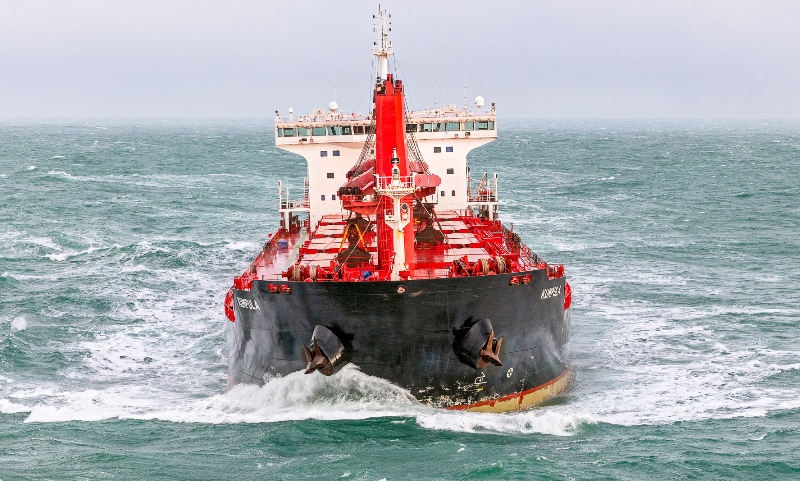
Six Indian-flagged vessels have successfully docked at Mumbai Port and other key ports across the country, marking a coordinated arrival amid ongoing disruptions in regional maritime routes.
The vessels, operating under the Indian flag, reached multiple destinations including ports on the west and east coasts, ensuring continuity of cargo movement despite recent geopolitical tensions affecting shipping lanes.
According to industry sources, the ships were carrying a mix of essential commodities, industrial cargo, and containerized goods. Their timely arrival is expected to ease supply pressures and support domestic logistics networks.
The coordinated movement highlights the resilience of India’s maritime sector and the role of Indian-flagged vessels in maintaining trade flows during periods of uncertainty. Authorities and shipping operators have been closely monitoring vessel movements to ensure safety and minimize delays.
Ports receiving the vessels have taken steps to expedite berthing and cargo handling operations, aiming to reduce turnaround times and clear backlogs. Enhanced coordination between port authorities, shipping lines, and logistics providers has played a key role in managing the arrivals efficiently.
The development comes as global shipping continues to face challenges from route disruptions and rising costs. The successful docking of these vessels underscores the importance of strategic planning and operational flexibility in sustaining trade activities.
With cargo operations now underway, the focus will shift to swift distribution across inland markets, ensuring that supply chains remain stable despite external pressures.