
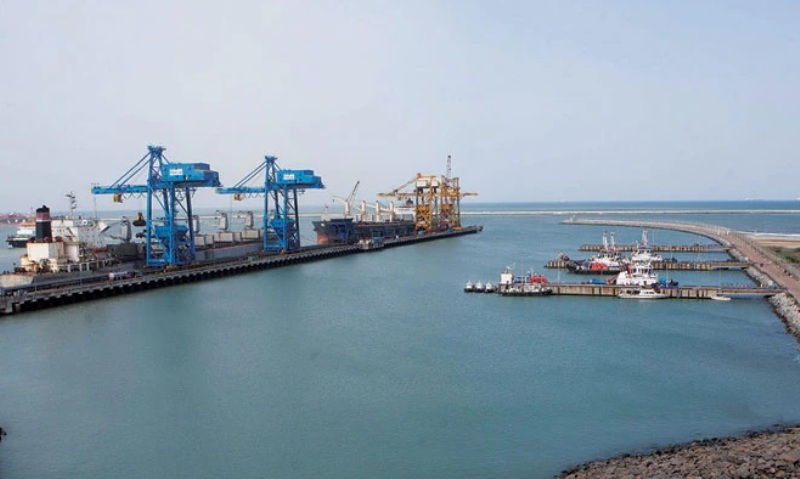
Kamarajar Port has become India’s second major port to offer an 18-metre draft, marking a significant milestone in the country’s efforts to strengthen maritime infrastructure and accommodate larger cargo vessels.
The deeper draft will enable the port to handle bigger container ships, bulk carriers, and other large vessels with higher cargo capacities, improving operational efficiency and reducing logistics costs for shipping lines and cargo owners. The enhancement is expected to boost the port’s competitiveness as a key gateway on India’s east coast.
The upgraded draft will also improve vessel turnaround, increase cargo-handling capacity, and support higher trade volumes by allowing ships to operate with fuller loads. This development aligns with the government’s vision of modernising port infrastructure under its broader maritime development initiatives.
Located near Chennai, Kamarajar Port plays a vital role in handling diverse cargo, including containers, automobiles, coal, petroleum products, and project cargo. The improved infrastructure is expected to attract more international shipping services and strengthen connectivity with major global trade routes.
The achievement reinforces Kamarajar Port’s position as a strategic maritime hub, supporting India’s growing import-export trade while enhancing supply chain efficiency and the country’s long-term logistics competitiveness.