
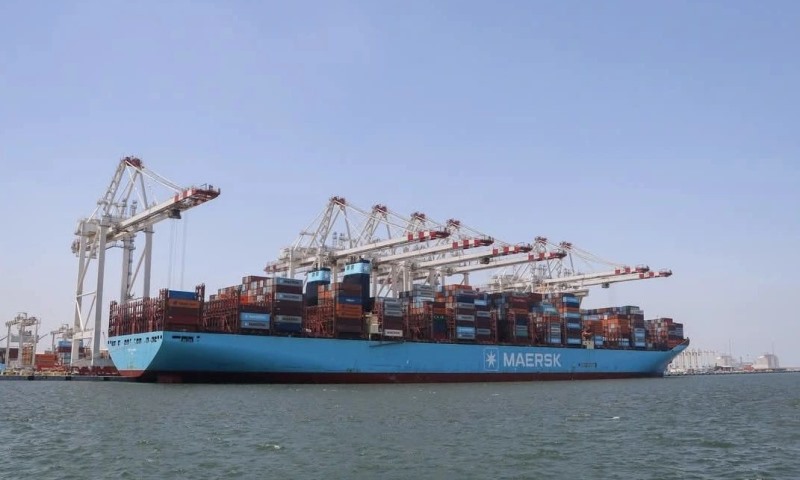
Maersk has advised customers of mandatory consignee identification requirements for all import shipments destined for Pakistan, effective August 15, 2026, following new requirements issued by Pakistan Customs under SRO 882(I)/2026.
Under the updated rules, the required consignee identification details must be provided at the origin or loading port and included in both the Shipping Instructions and Bill of Lading at the time of booking. The information will be used for Pakistan Customs’ Import General Manifest (IGM) filing.
Depending on the type of shipment, the identification may include a National Tax Number (NTN), Free Tax Number (FTN), Computerised National Identity Card (CNIC) number or passport number. For general cargo, Maersk says an NTN or FTN is mandatory, while specific requirements apply to vehicle baggage, diplomatic cargo, transshipment and transit shipments.
Maersk has warned that missing or incorrect consignee identification could result in Pakistan Customs rejecting the IGM. Such rejection may prevent or delay cargo discharge and lead to additional costs for shippers and consignees.
As an interim arrangement, Maersk recommends that the applicable identification number be included in the consignee documentation address. Customers should also state the relevant Cargo/Bill of Lading type in the cargo description to support customs processing.
The carrier said that, following planned system enhancements, the identification data will eventually be transmitted as a separate structured data field through the Pakistan Single Window upload file. This is intended to improve the accuracy and standardisation of customs data submitted for import cargo.
The change places greater emphasis on accurate consignee information during the booking and documentation process. For shippers moving cargo into Pakistan, ensuring the correct identification details are available before documentation is submitted will be important to avoid manifest rejection, cargo delays and additional logistics costs.