
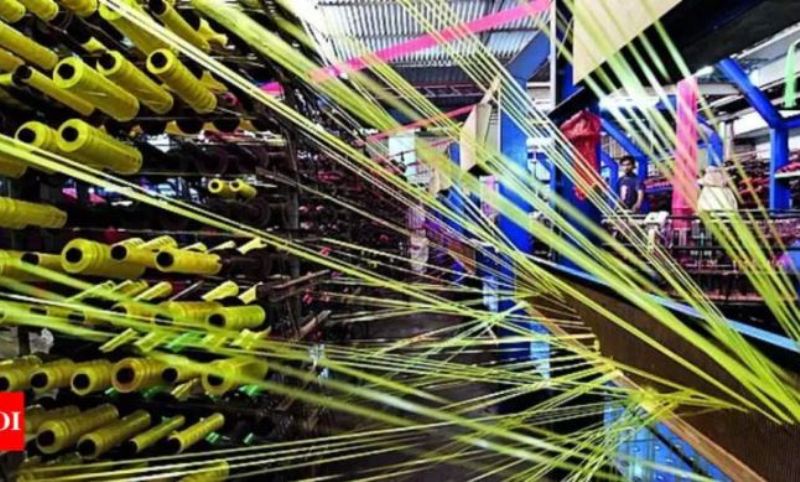
India has identified textiles, engineering goods, chemicals, pharmaceuticals and food products as priority sectors for expanding bilateral trade with Russia as the two countries work towards achieving a $100 billion trade target by 2030.
Commerce and Industry Minister Piyush Goyal, speaking at the India-Russia Business Dialogue in New Delhi alongside Russian Industry and Trade Minister Anton Alikhanov, said significant untapped potential exists in bilateral commerce. He noted that Russia imports large volumes of products in which India is already a major global exporter, but remains a relatively small supplier to the Russian market.
Goyal said increasing bilateral trade from the current base of around $60 billion to $100 billion would require an additional $40 billion over the next four years, demanding sustained double-digit annual growth and coordinated efforts by governments and businesses.
He pointed to growing Indian food exports to Russia as evidence of the market opportunity, particularly for farmers and micro, small and medium enterprises (MSMEs). However, he said only a limited share of the potential has so far been captured.
For textile and apparel exporters, payment mechanisms and regulatory compliance are expected to remain important considerations as market access expands. Goyal said India and Russia would continue efforts to strengthen local-currency settlement mechanisms, noting that payment-related challenges can become a greater constraint on trade than tariffs.
The minister also encouraged Russian companies to consider manufacturing in India rather than focusing solely on sales, while urging Indian businesses to view Russia both as an export market and an investment destination.
Officials from both countries were asked to work closely with industry to address barriers affecting trade and investment, including payment systems, logistics, certification requirements, regulatory approvals, standards and visa procedures.