
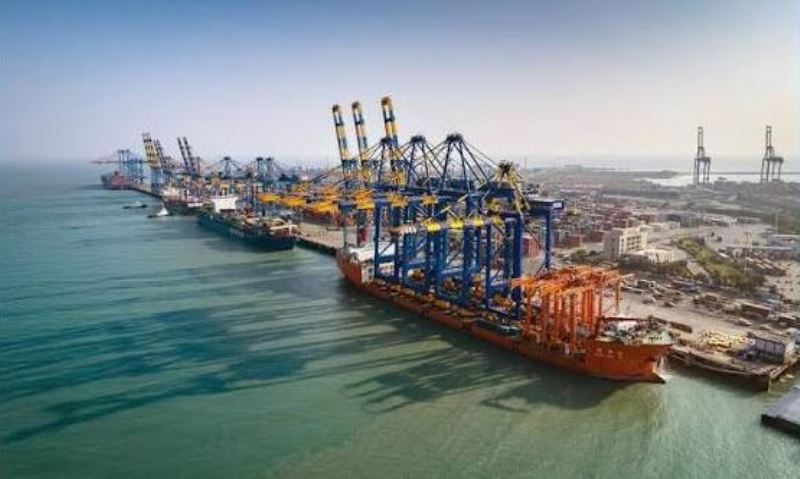
Adani Group’s Dhamra Port in Odisha is moving towards operating entirely on renewable power, marking a significant step in its efforts to reduce emissions and improve the sustainability of port operations.
The shift will increase the share of renewable electricity used across the port’s operations, including cargo-handling and other infrastructure. The initiative is part of the broader push by Adani Ports and Special Economic Zone (APSEZ) to reduce the carbon intensity of its port network.
Dhamra Port is one of Odisha’s major maritime gateways, handling large volumes of dry bulk and other cargo. Increasing renewable power use at the facility is expected to reduce dependence on conventional electricity sources and lower associated carbon emissions.
The transition also supports the port operator’s wider decarbonisation strategy, which includes greater use of renewable energy, electrification of equipment and adoption of cleaner technologies across its logistics and maritime operations.
For Dhamra Port, the move towards 100% renewable power represents an important milestone in its environmental programme while supporting the long-term sustainability of cargo-handling activities.
The initiative comes as ports globally face growing pressure to reduce emissions and adopt cleaner energy sources. Greater reliance on renewable electricity can help ports lower their environmental footprint while maintaining efficient cargo operations.