
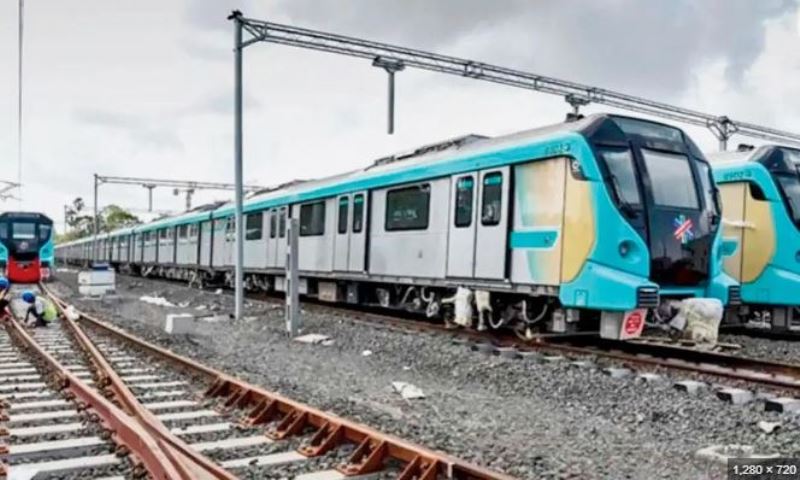
The GST Council is likely to consider a proposal to facilitate the movement of freight through metro rail networks, potentially opening another transport option for cargo operators and logistics companies.
The proposal is aimed at allowing metro rail systems to carry freight alongside or during designated operating periods, subject to operational and safety requirements. The move could help make greater use of existing metro infrastructure and provide an additional mode for transporting goods within urban areas.
Freight movement by metro could be particularly relevant for last-mile and intra-city logistics, where road congestion often increases delivery times and operating costs. Cargo such as e-commerce shipments, parcels and other time-sensitive consignments could potentially benefit from faster movement across busy urban corridors.
From a tax perspective, approval by the GST Council would provide greater clarity on the treatment of such freight services and help establish a framework for operators and logistics companies.
The proposal comes as India explores multimodal transport solutions to improve urban logistics and reduce pressure on road networks. Integrating metro systems into freight movement could also support more efficient connections between distribution centres, logistics hubs and urban delivery points.
Any final decision will depend on the GST Council’s consideration of the proposal and the applicable operational framework. Further details on eligible cargo, routes, timing and tax treatment are expected once the proposal is formally cleared.
If approved, metro-based freight movement could add another layer to India’s multimodal logistics network, particularly in densely populated cities where road-based deliveries face congestion and capacity constraints.