
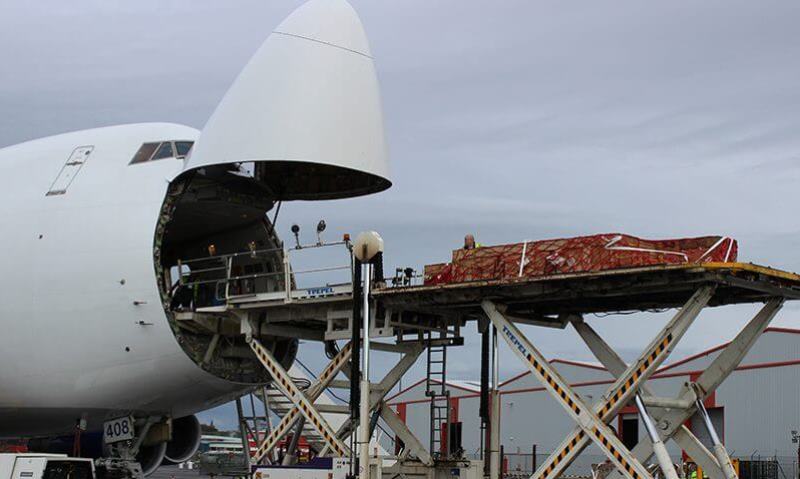
Air cargo is gaining greater attention from shippers as companies seek faster and more reliable transportation options, although concerns over changes to waybill procedures are emerging as an operational challenge for the sector.
Shippers are increasingly evaluating air freight for time-sensitive and high-value cargo, particularly where supply chains require shorter transit times and greater flexibility. Changes in ocean shipping schedules, routing disruptions and uncertainty in some trade lanes have also encouraged businesses to consider air cargo as an alternative for selected shipments.
The shift is supporting demand for air freight services across key international markets. Airlines, freight forwarders and logistics providers are responding by expanding capacity, adjusting networks and developing services designed to meet changing shipper requirements.
However, waybill-related changes remain an area of concern for industry participants. Air waybills are central to the movement of cargo, covering shipment details, documentation and operational instructions between shippers, carriers and logistics providers. Any changes to established processes can require adjustments to systems and workflows across the supply chain.
Industry stakeholders are therefore seeking greater clarity and consistency in waybill procedures to avoid documentation errors, shipment delays and additional administrative work. Digitalisation is also increasing the importance of standardised data exchange between airlines, forwarders, customs authorities and other parties involved in cargo movements.
For shippers, the growing role of air cargo provides an additional option for managing supply-chain risks and meeting delivery requirements. At the same time, efficient documentation and harmonised waybill processes will remain important to ensure that increased air-freight activity does not create additional operational complexity.
The developments highlight the changing balance between speed, cost and reliability in global logistics. As shippers continue to reassess transportation strategies, air cargo is expected to remain an important option for urgent and high-value shipments, while the industry works to address concerns surrounding waybill changes.