
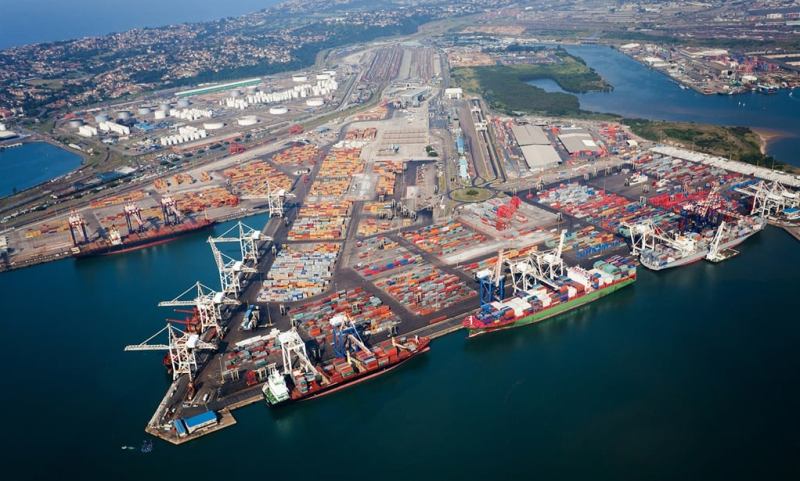
Severe congestion at South Africa’s Port of Durban has delayed shipments of essential medicines and pharmaceutical ingredients, raising concerns over worsening drug shortages at public hospitals and healthcare facilities across the country.
The South African Department of Health has identified 41 containers carrying critical pharmaceutical products requiring urgent movement through the country’s port system. The shipments include medicines used to treat infections, high blood pressure, high cholesterol and stomach-related conditions, as well as active pharmaceutical ingredients (APIs) required by domestic drug manufacturers.
According to Transnet, the state-owned freight transport and logistics company, 18 of the 41 identified containers have been cleared and delivered to their intended destinations as of November 23. Seven additional containers are expected to arrive in South Africa between November 23 and December 2, while 16 containers destined for Durban Gateway Terminal (DGT) are still awaiting berthing nominations from shipping lines.
The delays have prompted Health Minister Aaron Motsoaledi to seek urgent intervention from Transport Minister Barbara Creecy to expedite the movement of essential medical supplies.
Transnet Prioritises Pharmaceutical Cargo
Transnet, working with Durban Gateway Terminal, has introduced measures to reduce congestion and prioritise essential cargo. These include expediting pharmaceutical shipments, improving vessel evacuation and considering the use of alternative terminals to discharge urgently needed containers.
The company is also coordinating with the Department of Health, shipping lines and terminal operators to ensure that critical medical supplies are moved through the port system without further delays.
The backlog has been linked to operational difficulties at Durban Gateway Terminal, including problems with its new information technology control system, which have contributed to cargo-handling bottlenecks.
Medicine Shortages Raise Healthcare Concerns
The port delays come amid growing pressure on South Africa’s public healthcare supply chain. The Department of Health’s list of medicines at risk of running out increased to 184 products by November 16, more than double the number reported in May.
Healthcare officials have warned that continued delays in receiving imported medicines and pharmaceutical ingredients could further affect the availability of essential treatments at hospitals and clinics.
The situation is also complicated by international supply-chain disruptions, regulatory enforcement affecting pharmaceutical manufacturers and financial difficulties among some suppliers.
Wider Logistics Impact
Durban is South Africa’s busiest container port and a critical gateway for the country’s international trade. The congestion has affected not only pharmaceutical shipments but also automotive components, agricultural exports and other essential cargo.
Transnet has been implementing additional measures to improve terminal capacity, accelerate vessel turnaround and reduce container backlogs. The authorities are also considering alternative berthing arrangements to prevent further accumulation of vessels awaiting discharge.
The situation highlights the importance of efficient port operations in maintaining critical supply chains, particularly for medicines and healthcare products where delays can have direct consequences for public health.
With 16 pharmaceutical containers still awaiting berthing arrangements, the speed at which Durban clears its backlog will be crucial to restoring the flow of essential medical supplies across South Africa.