
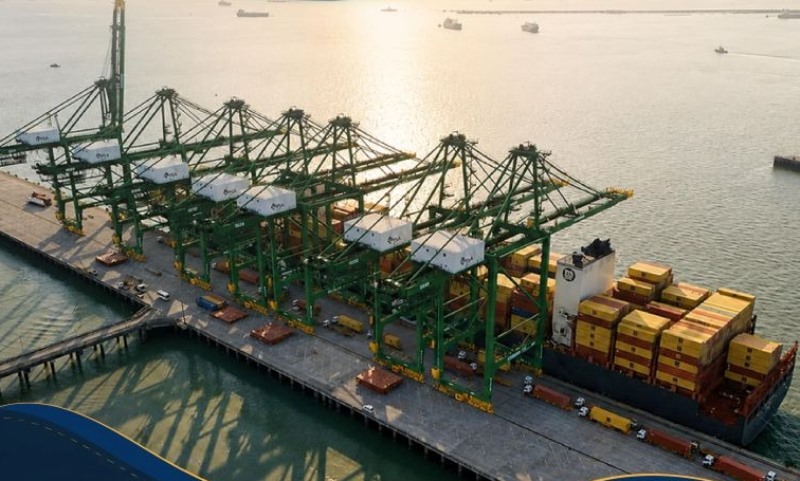
The Water Transport Workers’ Federation of India (WTWFI), affiliated with CITU, has urged the Union Government to halt the corporatisation, privatisation and outsourcing of major ports and protect the public character of India’s port sector. At its 11th National Conference in Chennai on October 2–3, the Federation opposed the use of public and surplus funds of major port authorities to develop projects such as Galathea Bay and Vadhvan, followed by transfer of infrastructure and operations to PPP/BOT operators.
WTWFI General Secretary T. Narendra Rao said the growing reliance on private operators and the landlord model was undermining public ownership, workers’ interests and the strategic role of major ports. The Federation opposed outsourcing of core port activities and called for recognised port and dock workers’ federations to be consulted before policy decisions affecting ports and workers are taken.
The Conference also highlighted the sharp decline in regular port employment—from around 1.25 lakh workers to about 10,000 over 35 years—despite cargo handling rising to a record 965 million tonnes. It demanded direct recruitment against vacant sanctioned posts and better wages, social security and employment rights for contract workers engaged in essential and perennial port activities.
WTWFI also expressed concern over the safety of Indian seafarers operating in conflict-affected regions, including the Strait of Hormuz, Red Sea and Black Sea. It called for stronger diplomatic and maritime-security measures, emergency-response mechanisms and adequate compensation and social-security protection for seafarers and their families affected by war-related incidents.