
The Union Cabinet has approved the creation of a new authority aimed at improving coordination across India’s transport sectors and bringing fragmented planning processes under a more integrated framework.
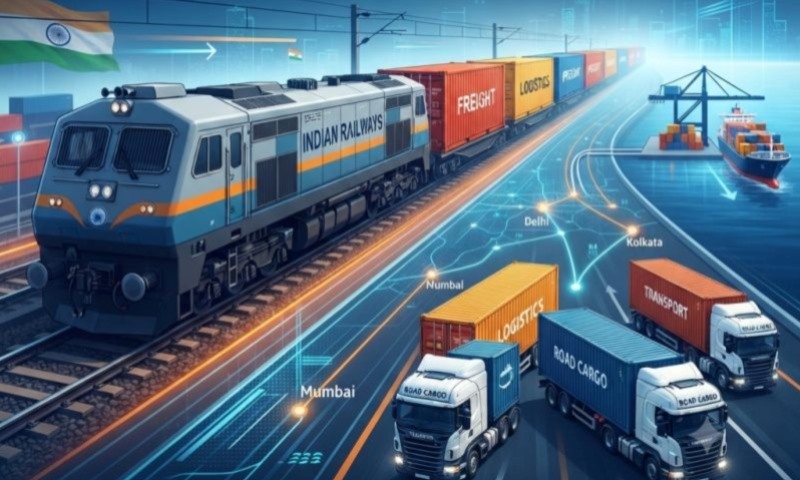
The proposed authority is expected to strengthen coordination between different modes of transport, including roads, railways, ports, shipping and aviation. The move is intended to improve connectivity, reduce duplication in infrastructure development and support more efficient movement of passengers and freight.
At present, transport infrastructure planning is handled by multiple ministries and agencies, often resulting in overlapping projects and coordination challenges. A unified planning mechanism could help align investments and ensure that new infrastructure is developed around integrated logistics and connectivity requirements.
The authority is also expected to support better data sharing and long-term planning across transport networks. Improved coordination could help identify infrastructure gaps, optimise multimodal connections and reduce logistics costs for businesses.
The initiative is in line with the government’s broader focus on developing an integrated transport and logistics ecosystem. Better coordination between transport modes is expected to support supply-chain efficiency, improve freight movement and strengthen India’s overall logistics competitiveness.
The new framework could play an important role in coordinating future transport investments and ensuring that infrastructure development is aligned with the country’s growing trade, industrial and mobility needs.