
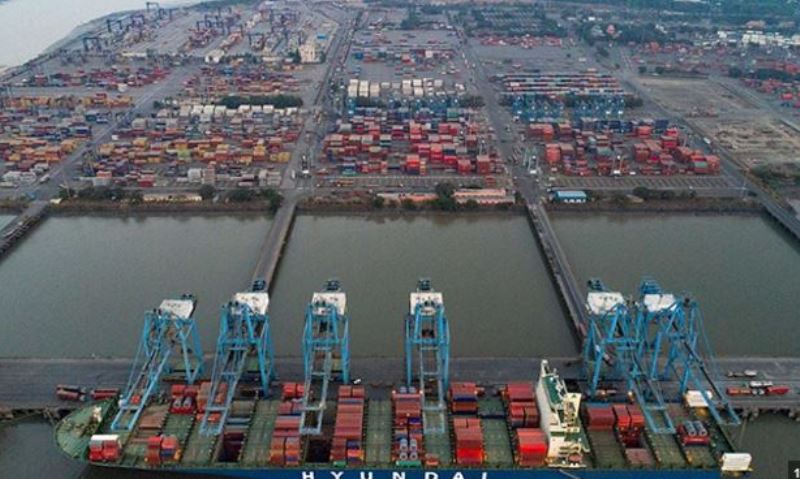
India is seeking to strengthen its position as a regional transshipment hub as growing demand for cargo movement to and from the Middle East creates new opportunities for Indian ports.
The expansion of transshipment activity could help India attract more international shipping services and reduce the dependence of Indian-bound cargo on foreign hub ports. Greater volumes routed through Indian terminals could also improve connectivity for exporters and importers while supporting the development of the country’s maritime logistics network.
Recent investments in deep-water terminals and port infrastructure are improving India’s ability to handle large container vessels and connect directly with major global trade routes. Facilities such as Vizhinjam and other emerging transshipment hubs are expected to play a greater role in serving regional cargo flows.
The Middle East remains an important market for Indian trade, covering commodities ranging from engineering goods and textiles to food products, pharmaceuticals and consumer goods. Changes in regional shipping patterns and disruptions affecting established routes could further increase the importance of alternative transshipment options.
A stronger transshipment network could also generate benefits for shipping lines, logistics companies and associated services, including warehousing, freight forwarding and coastal transportation.
India’s efforts to develop a competitive transshipment ecosystem are part of its broader strategy to reduce logistics costs, improve maritime connectivity and increase the country’s share of global shipping and cargo handling. Growing Middle East demand could provide an additional opportunity to accelerate that ambition.