
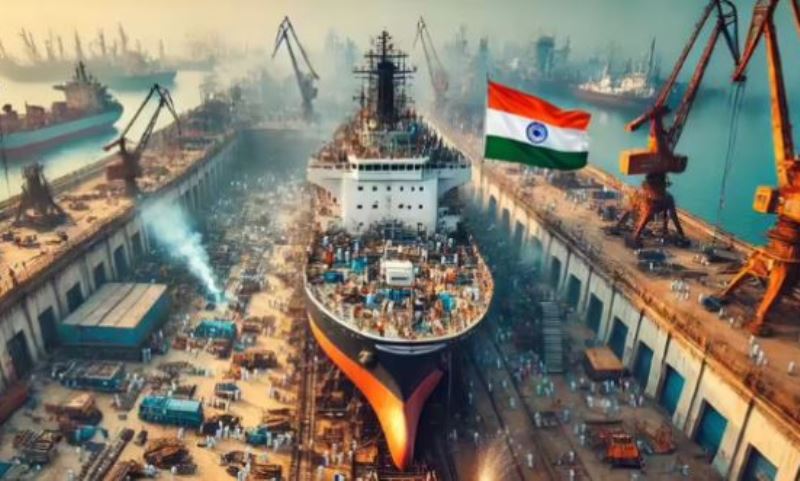
India’s shipbuilding capacity is expected to more than double to approximately 120,000 gross tonnes (GT) in 2026, marking a significant expansion of the country’s domestic shipbuilding industry. The growth reflects increasing investments in shipyard infrastructure, modernisation of existing facilities and government efforts to strengthen India’s maritime manufacturing capabilities.
The expansion is expected to improve India’s ability to construct commercial vessels, specialised ships and other maritime assets domestically, reducing dependence on foreign shipyards. It also supports the government’s broader ambition to position India as a competitive global shipbuilding and ship-repair destination.
The shipbuilding sector has gained strategic importance as India seeks to expand its maritime infrastructure, strengthen coastal shipping and increase its participation in international shipping markets. Rising demand for vessels, fleet modernisation and growing interest in domestic manufacturing are creating opportunities for shipyards and maritime equipment suppliers.
Government initiatives aimed at promoting shipbuilding include financial support, infrastructure development, technology upgrades and efforts to attract private-sector investment. The proposed expansion of shipbuilding capacity is also expected to generate employment and create business opportunities across the maritime supply chain, including steel, engineering, marine equipment and ancillary industries.
Major Indian shipyards, including Cochin Shipyard, Mazagon Dock Shipbuilders, Garden Reach Shipbuilders and Engineers, and Hindustan Shipyard, are expected to remain important contributors to the country’s maritime manufacturing ecosystem.
However, sustaining the growth will require continued investment in advanced shipbuilding technology, skilled manpower, specialised components and internationally competitive production facilities.
The projected increase to 120,000 GT in 2026 represents an important step towards strengthening India’s shipbuilding ambitions and reducing its dependence on overseas vessel construction.