
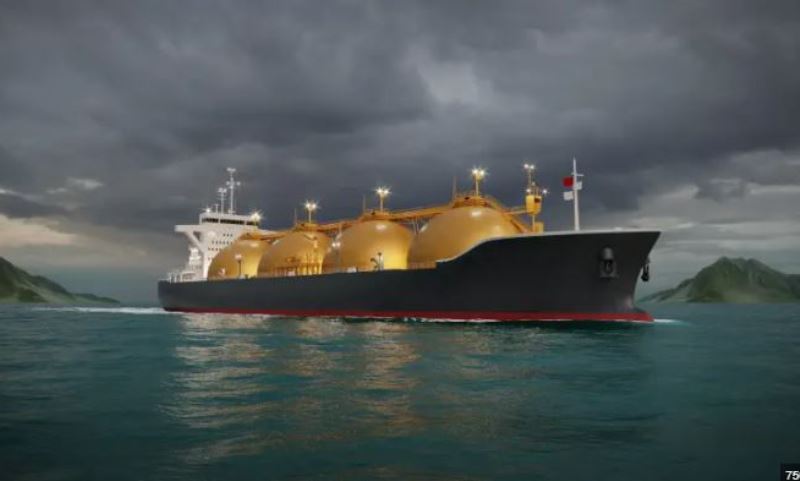
Japan is looking to South Korea for expertise and cooperation to revive its liquefied natural gas (LNG) carrier shipbuilding industry, as competition intensifies in the global market for specialised gas transportation vessels.
Japan, once a major force in commercial shipbuilding, has been losing ground to South Korea and China in the construction of advanced vessels, particularly LNG carriers. The country’s shipbuilders are now exploring ways to rebuild their capabilities and regain a stronger position in this strategically important segment.
South Korea has established itself as a global leader in LNG carrier construction, supported by advanced shipbuilding technology, specialised engineering capabilities and extensive experience in developing sophisticated LNG containment systems. Japanese shipbuilders could benefit from Korean expertise in vessel design, construction techniques and production efficiency.
The renewed interest in cooperation comes amid growing global demand for LNG transportation capacity. Expanding LNG trade, energy security concerns and the development of new liquefaction projects are creating demand for specialised carriers capable of transporting natural gas at extremely low temperatures.
Japan’s shipbuilding revival efforts are also linked to broader concerns over maritime industrial competitiveness and supply-chain security. Strengthening domestic shipbuilding capabilities is considered important for maintaining technological expertise and reducing dependence on overseas construction capacity.
Collaboration with South Korean companies could provide opportunities for technology exchange, joint development and improved manufacturing capabilities. However, rebuilding Japan’s position will require substantial investment, skilled manpower and modernisation of shipyard infrastructure.
The initiative highlights the importance of international cooperation in the global shipbuilding industry, particularly as countries compete to expand their capabilities in specialised vessels supporting the international energy trade.