
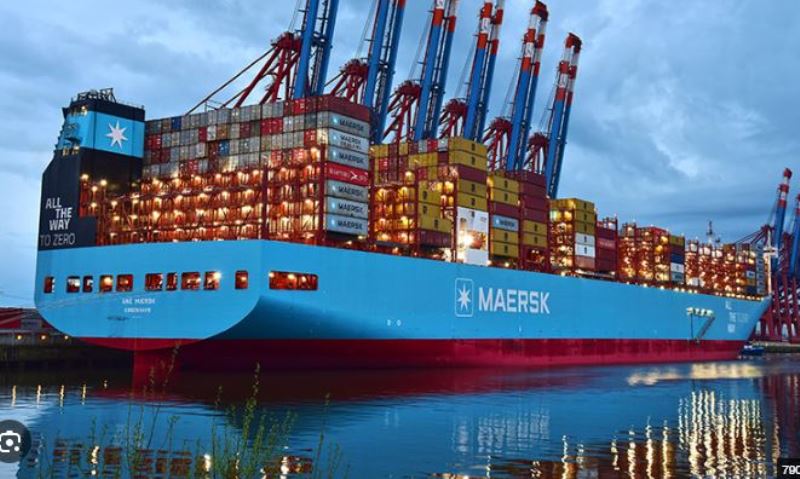
Maersk will revise several demurrage and detention tariffs in the United States and Canada from January 1, 2027, with changes affecting import and export shipments across different container types and equipment categories.
The revised tariffs will cover dry containers, operating and non-operating refrigerated containers, US rail ramps and shipments handled through Newark. The changes will apply based on the relevant Price Calculation Date, while charges will continue to follow the existing daily tier structure.
In the United States, import detention charges for operating reefers will increase to US$430, US$550 and US$625 per day across the applicable tiers, compared with the current rates of US$430, US$535 and US$585.
Import demurrage for operating reefers will rise to US$520, US$620 and US$690 per day. At Newark, the corresponding rates will increase to US$765, US$930 and US$1,185.
For dry and non-operating reefer containers, US import demurrage will increase in the higher tiers, with revised daily rates of US$300, US$360 and US$410. Changes will also apply to demurrage charges at US rail ramps and to export demurrage for refrigerated and dry equipment.
In Canada, detention charges for operating reefers covering both import and export movements will increase in the highest tier from US$510 to US$545 per day. Import demurrage rates for operating reefers will also be revised to the same tariff structure.
Maersk is also changing free-time provisions for certain US export shipments. Hay transported in dry or non-operating reefer containers will receive 10 working days of free time for Price Calculation Dates between April and September, and 14 working days between October and March. Other agricultural products will receive seven working days.
The revised tariffs form part of Maersk’s latest rate adjustments for North American shipments. Shippers, freight forwarders and exporters are advised to review the updated tariff schedules and assess the potential impact on their logistics costs.