
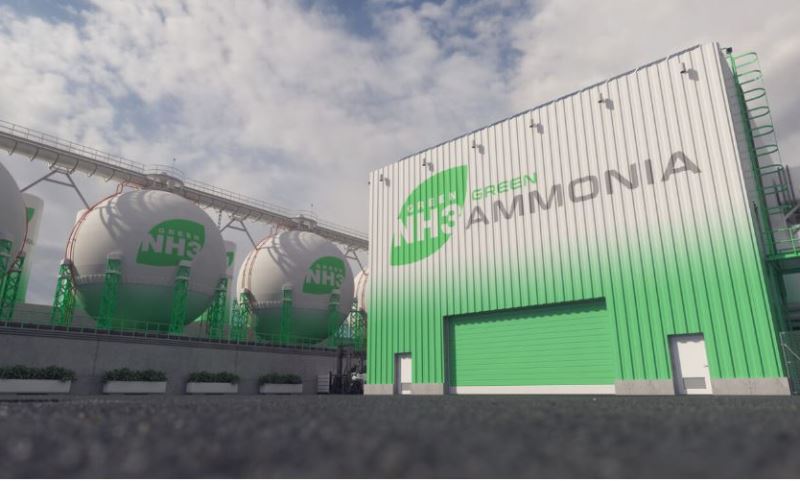
Aegis Logistics has commissioned a specialised 36,000-tonne ammonia storage and terminalling facility at Pipavav Port, marking a significant expansion of India’s infrastructure for handling the industrial chemical. The commissioning became effective on August 10, 2026, according to the company’s stock exchange disclosure.
The facility has a static storage capacity of 36,000 tonnes and is designed specifically for ammonia storage and terminalling operations. Aegis said the terminal was developed on behalf of Aegis Terminal (Pipavav) Ltd (ATPL), a step-down subsidiary of the company.
The project is expected to strengthen Pipavav’s position as a hub for ammonia handling and improve access to imported ammonia for industries that depend on the commodity. Ammonia is widely used in fertiliser production and is also gaining importance as a potential hydrogen carrier and energy-transition fuel.
The terminal was originally planned as an independent, third-party storage facility. Earlier project disclosures had indicated an investment of about €53 million (around ₹530 crore) and highlighted its potential to support both ammonia imports for the fertiliser industry and future green ammonia exports.
The commissioning also represents progress in Aegis’ broader terminal expansion programme. The company has been increasing its storage and terminalling infrastructure across major Indian ports to support growing demand for LPG, chemicals and other energy-related products.
Aegis had previously disclosed arrangements under which Aegis Vopak Terminals Ltd (AVTL) would acquire the ammonia facility after its construction. In March 2026, AVTL’s rights under the framework agreement were assigned to ATPL, with a separate business transfer agreement to follow after completion of the terminal.
The latest announcement confirms that construction has now been completed and the terminal commissioned. Details such as annual throughput, first commercial cargo and the timing of the ownership transfer have not yet been disclosed.
The new facility could also support India’s longer-term ambitions around green ammonia and hydrogen-based energy supply chains. Government green-port guidelines envisage greater development of infrastructure for green fuels, including ammonia, hydrogen and methanol, at Indian ports.
With 36,000 tonnes of new ammonia storage capacity now commissioned, the Pipavav facility adds to India’s specialised chemical-handling infrastructure and provides a platform for expanding ammonia-related logistics and future energy-transition activities.