
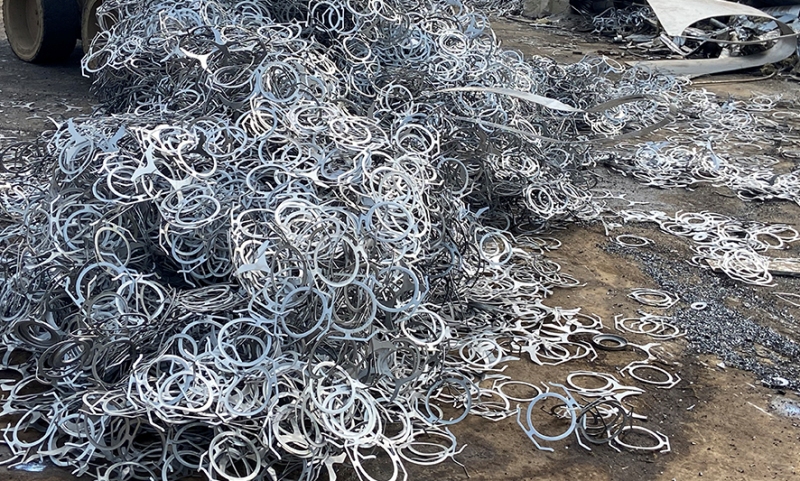
A ban on aluminium scrap exports by several Middle Eastern suppliers has disrupted established trade flows, prompting Indian importers and recyclers to seek alternative sourcing markets to maintain raw material supplies. The move is expected to reshape regional scrap trade dynamics and could lead to higher procurement costs for India’s secondary aluminium industry.
India relies heavily on imported aluminium scrap to meet demand from recycling facilities that supply raw materials to sectors such as automotive, construction, electrical equipment, packaging, and consumer goods. The export restrictions from key Middle Eastern suppliers have tightened availability, forcing buyers to increase purchases from markets including Europe, North America, Southeast Asia, and Australia.
The shift in sourcing is likely to increase freight costs, extend transit times, and intensify competition for high-quality aluminium scrap. Importers are also expected to face greater price volatility as global buyers compete for limited supplies from alternative exporting countries.
Industry participants have expressed concerns that prolonged supply disruptions could raise production costs for downstream manufacturers and reduce the competitiveness of recycled aluminium products. However, many companies are diversifying supplier networks and negotiating long-term contracts to minimise supply risks and ensure continuity of operations.
The changing trade landscape is also expected to encourage greater domestic collection and recycling of aluminium scrap in India. Industry experts believe investments in recycling infrastructure and improved scrap recovery systems could reduce dependence on imports over the long term while supporting the country’s circular economy and sustainability goals.
As global aluminium scrap trade patterns continue to evolve, Indian importers are expected to adapt through diversified sourcing strategies and stronger supply chain resilience, helping the industry navigate short-term disruptions while meeting growing domestic demand for recycled aluminium.