
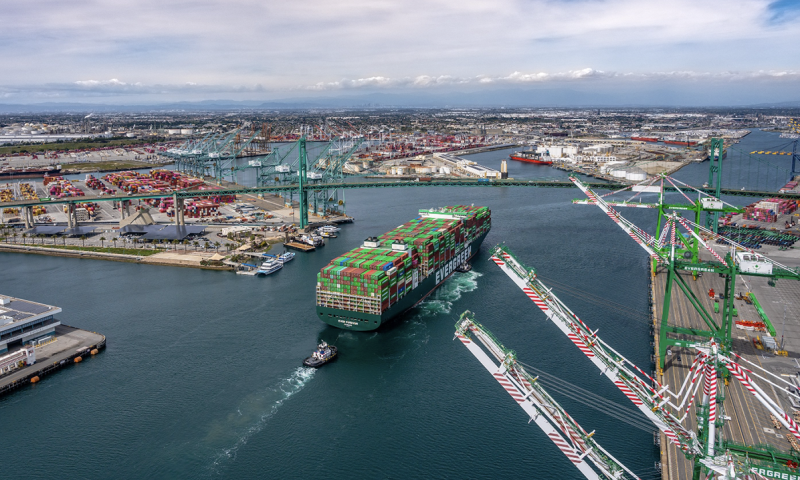
Freight rates on the Asia–US West Coast trade lane remain elevated as ocean carriers maintain a firm stance on pricing, signaling continued discipline in capacity management despite shifting market conditions.
The Asia–US West Coast corridor is one of the world’s busiest container routes, handling large volumes of consumer goods, electronics, machinery, and retail imports. Elevated spot and contract rates suggest carriers have been successful in resisting downward pressure typically seen when demand softens or excess vessel capacity emerges.
Shipping lines are reportedly supporting prices through measures such as controlled capacity deployment, blank sailings, service adjustments, and alliance coordination. These strategies can help balance available space with cargo demand while preserving rate levels.
Higher freight costs on the route may affect importers preparing inventory for peak retail seasons, as well as manufacturers dependent on timely inbound shipments. Shippers could face increased transportation budgets, tighter booking conditions, or renewed emphasis on long-term contracts.
Market analysts note that rate resilience may also be influenced by broader disruptions in global shipping networks, including longer voyage times caused by route diversions, congestion risks, and equipment imbalances.
While carriers continue to defend pricing, future rate direction will depend on US consumer demand, inventory cycles, new vessel deliveries, and whether normal routing conditions return to major trade corridors.
For now, the Asia–US West Coast market remains firm, reflecting carriers’ determination to protect margins in a volatile container shipping environment.