
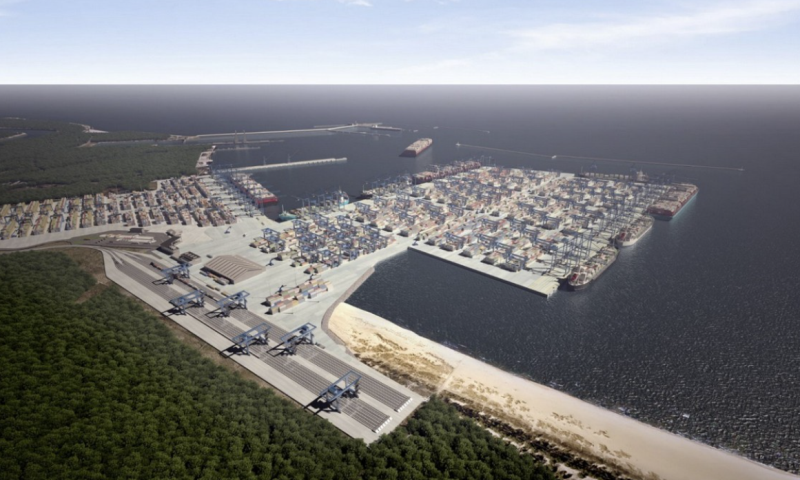
Baltic Sea ports are accelerating efforts to develop green shipping corridors, aiming to reduce emissions and strengthen sustainable maritime trade links across Northern Europe.
The initiative focuses on creating dedicated low-emission routes supported by cleaner fuels, electrified port infrastructure, and improved coordination between shipping lines, terminals, and logistics providers. These corridors are designed to help decarbonize cargo flows while maintaining efficient connectivity between key Baltic trade hubs.
Ports in the region are increasingly investing in shore power systems, alternative fuel bunkering facilities, and digital solutions to optimize vessel turnaround times and reduce environmental impact. The development of green corridors is also aligned with broader European Union climate targets for reducing greenhouse gas emissions from transport and shipping.
Industry stakeholders note that the Baltic Sea, with its dense network of short-sea shipping routes, is well positioned to become a leading testing ground for low-emission maritime solutions. Collaboration between port authorities, carriers, and energy providers is seen as critical to scaling up infrastructure and ensuring commercial viability.
The initiative is expected to support a shift toward cleaner fuels such as green methanol, LNG, hydrogen-based fuels, and hybrid-electric propulsion systems over time.
Analysts say that successful implementation of green corridors could improve competitiveness for Baltic ports while attracting environmentally conscious shipping lines and cargo owners.
As global pressure mounts to decarbonize shipping, the Baltic region’s coordinated approach could serve as a model for other maritime clusters seeking to balance trade growth with sustainability goals.