
Houthi attacks on shipping in the Red Sea have cut box throughput in the region by 90% and, amid escalating insurance costs, it seems it will take more than naval support to lure carriers back to the region any time soon.
According to a US Defense Intelligence Agency (DIA) report, re-routing vessels around Africa has added some 11,000 nautical miles and $1m in fuel costs to voyages, but from a financial perspective, this compares favourably with taking Red Sea routes in crisis conditions.
The report says: “For many shipping companies, combined costs of crew bonuses, war-risk insurance – roughly 1,000% more than pre-war costs – and Suez transit fees make the additional time and financial costs of travelling around Africa less expensive.
“As of mid-February, insurance premiums for Red Sea transits have risen to 0.7% to 1% of a ship’s total value, compared with less than 0.1% prior to [the escalation of Houthi attacks against a broader range of vessels in] December 2023.”
To date, the report notes, “at least” 65 countries have been affected by the attacks, well outside the Houthis purported scope and indicative of the Iran-backed rebels’ inability to differentiate between targets and non-targets.
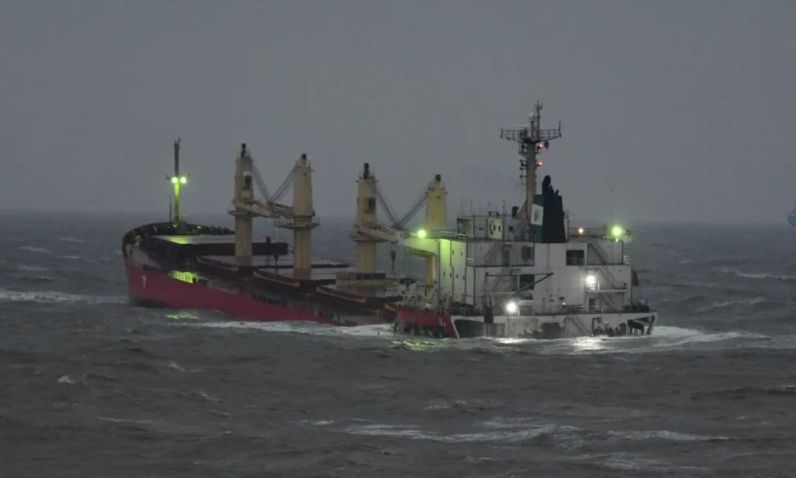
In that time, more than a dozen commercial vessels have been hit in drone and missile attacks, with UK-owned cargo ship Rubymar being sunk in March, while in November the rebels claimed to have seized the Israel-linked Galaxy Leader.
However, Japanese officials later claimed this was an NYK-operated vessel, with a 25-person multinational crew – their present whereabouts has become something of a mystery, with the last update, seemingly from the EU, in April.
Meanwhile, the attacks have persisted, with UK Maritime Trade Operations having reported two over the weekend, including one on a Greece-owned coal carrier, forcing its crew to abandon ship in the Mediterranean.