
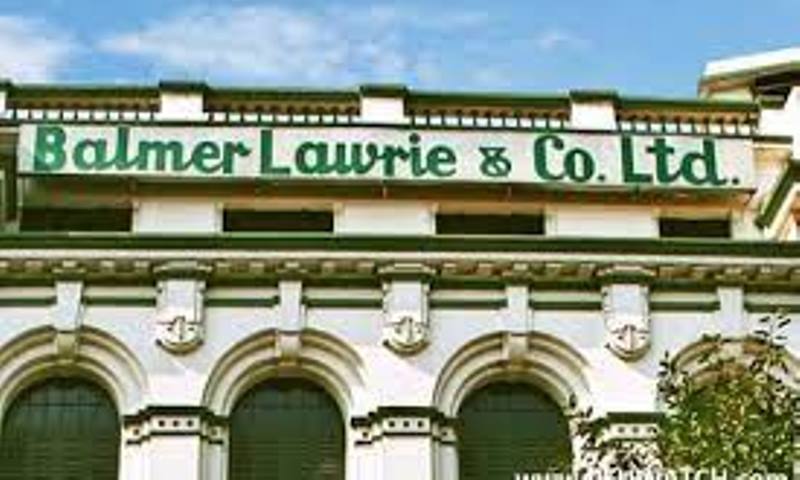
Diversified public sector undertaking Balmer Lawrie & Company is set to make logistics its highest revenue-generating vertical, contributing up to 50% of the company’s total revenue by 2030, a senior official said on Thursday.
Speaking at a virtual press conference, Chairman and Managing Director Adhip Nath Palchaudhuri said the PSU is projected to achieve a total revenue of Rs 6,000 crore by 2030. For the current financial year, Balmer Lawrie expects to touch Rs 3,000 crore in revenue.
“The first quarter of the current financial year has been very strong, and the ongoing second quarter is performing well,” Palchaudhuri said.
In the logistics segment, the company has expanded into railway logistics, with three rakes fully operational under an agreement with Steel Authority of India Limited (SAIL). Balmer Lawrie has also launched a third-party logistics business, commissioning a new warehousing facility at Dankuni, which will serve as a hub for the eastern zone. Plans are underway to establish similar hubs in other regions, alongside a cold chain facility at Dankuni. The company continues to operate container freight stations as part of its logistics offerings.
Palchaudhuri highlighted that the travel and vacations vertical remains resilient despite challenges such as the Pahalgam terror attack. The PSU will continue focusing on its four core verticals: industrial packaging, grease and lubricants, logistics, and travel and vacations, while exiting the refinery and oilfield services business.
On the ticketing front, the majority of business currently comes from government contracts , but the company aims to tap into the private ticketing market, which presents significant growth opportunities.
“We are hopeful of a fulfilling year ahead,” the CMD added.