
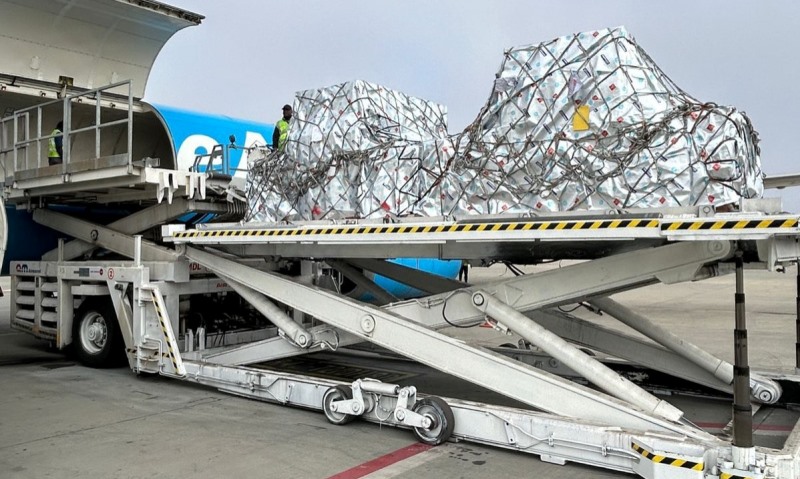
Bangladesh’s garment exporters are increasingly turning to expensive airfreight to meet international delivery deadlines as prolonged labour unrest disrupts factory production and threatens the country’s position as a major global apparel sourcing destination.
The Bangladesh Garment Manufacturers and Exporters Association (BGMEA) has reported that international buyers have shifted confirmed orders for approximately 59 million garments, valued at US$254 million, to other countries following weeks of industrial unrest.
According to the association, production losses have reached an estimated US$428 million in free-on-board (FOB) value, based on a preliminary survey of 317 factories that were forced to suspend operations for periods ranging from one to 16 days during November.
More than 600 BGMEA member factories have been affected, with the association warning that financial losses could increase substantially if the situation does not stabilise. Exporters are also facing growing pressure to fulfil existing orders within committed delivery schedules.
Airfreight Costs Add to Exporters’ Burden
BGMEA Secretary General Shahedul Islam said garment manufacturers were being forced to adopt expensive logistics arrangements to retain international customers.
Factories are increasingly using air shipments instead of conventional ocean freight to ensure that consignments reach overseas buyers on time. Exporters are also offering substantial price discounts to retain orders, while some face the possibility of outright cancellations.
The disruption follows protests over minimum wage demands that began in late October. Factory shutdowns, damage to industrial facilities and road blockades have affected both manufacturing activities and transportation of finished garments.
The Bangladesh Garment Buying House Association estimated that the unrest had caused economic losses of Tk30 billion to Tk40 billion (approximately US$240 million to US$320 million).
Industry representatives have cautioned that the crisis could damage Bangladesh’s reputation as a reliable apparel sourcing destination, particularly among international retailers preparing for seasonal sales and future purchasing cycles.
Supply Chain and Logistics Challenges
The developments are adding pressure to Bangladesh’s garment supply chain, which depends heavily on timely factory production, efficient inland transportation and reliable export logistics through Chittagong Port and Dhaka’s Hazrat Shahjalal International Airport.
Meanwhile, MJL Bangladesh has expanded its warehousing capacity in South Patenga by adding five warehouses, each measuring 13,500 sq ft. Together with its existing 20,000 sq ft facility, the company’s total covered warehousing space has increased to 87,500 sq ft.
In another development, AmeriBangla’s proposed US cotton warehouse in Chittagong has been delayed. The company is planning to increase US cotton imports to 1,600 containers, equivalent to approximately 32,000 tonnes, per month over the next two years.
With labour unrest disrupting production and international buyers increasingly diversifying their sourcing destinations, Bangladesh’s garment industry faces mounting pressure to restore factory operations and shipment reliability.
The growing reliance on airfreight is likely to further increase exporters’ logistics costs and squeeze profit margins, highlighting the importance of stable industrial relations and dependable supply-chain operations in maintaining Bangladesh’s competitiveness in global apparel markets.