
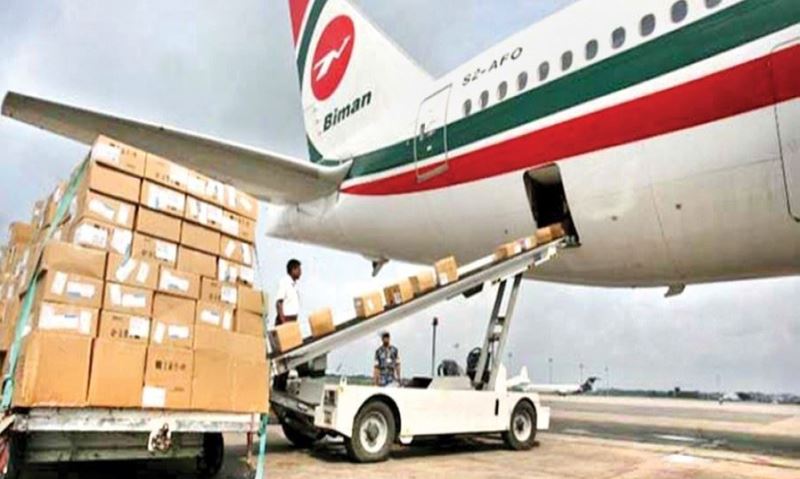
Bangladesh is seeking lower air freight rates to strengthen the competitiveness of its mango exports, as the country aims to expand its presence in international fresh fruit markets during the peak harvest season. Industry stakeholders believe more affordable cargo charges would enable exporters to reach overseas buyers more efficiently while increasing shipment volumes.
The initiative comes as exporters face rising logistics costs that have constrained the profitability of shipping perishable produce by air. With mangoes requiring rapid transportation to preserve freshness and quality, air cargo remains the preferred mode for supplying premium markets across Europe, the Middle East, and Asia.
Exporters have urged airlines and relevant authorities to introduce more competitive freight rates, arguing that lower transportation costs would improve pricing in overseas markets and encourage greater participation from small and medium-sized producers. Enhanced cargo affordability is also expected to reduce post-harvest losses by enabling faster access to international consumers.
For the aviation and logistics sector, increased mango exports could generate additional demand for temperature-controlled handling, cold chain infrastructure, and dedicated cargo capacity. Airports equipped with modern perishable cargo facilities are likely to benefit from higher export volumes during the fruit season.
The government and industry bodies are also focusing on improving packaging standards, quality certification, and export logistics to meet international phytosanitary requirements. These measures are intended to strengthen Bangladesh’s reputation as a reliable supplier of high-quality fresh produce.
If freight costs are reduced and export support measures are successfully implemented, Bangladesh could significantly enhance its share in the global mango trade, creating new opportunities for farmers, exporters, airlines, and logistics providers while contributing to the country’s agricultural export earnings.