
The Terai Indian Planters’ Association (TIPA) has urged the Tea Board of India to take immediate measures to protect West Bengal’s tea industry, citing the alleged influx of low-quality tea from Nepal and the growing financial distress of tea estates across the state.
In a letter to S. Soundararajan, Director of Tea Development, Tea Board of India, TIPA Chairman Mahendra Prasad Bansal called for stricter quality controls, enhanced monitoring of imported tea consignments and effective enforcement of existing regulations to prevent substandard Nepalese tea from entering the Indian market and being sold as premium Indian tea.
Bansal claimed that around 16 million kg of tea from Nepal enters India annually, with a portion allegedly being blended and marketed as Indian tea, including Darjeeling tea. He warned that such practices could undermine the reputation, authenticity and brand value of Indian tea in international markets.
He also highlighted the trade imbalance under the Indo-Nepal Trade Treaty, pointing out that Nepalese tea enters India duty-free, while Indian tea reportedly faces a 40 per cent tariff in Nepal. Referring to the 198th report of the Parliamentary Standing Committee on Commerce, submitted in August 2026, he urged the government to implement its recommendations to address the concerns of domestic tea producers.
The association has called for stronger safeguards for GI-tagged Darjeeling tea, a revival package for closed tea gardens and an impartial assessment of the challenges confronting the industry.
Highlighting the financial crisis facing tea estates, Bansal said subsidy claims submitted by more than 300 gardens had been rejected despite the completion of approved development activities, reportedly due to a shortage of funds. He sought urgent intervention to ensure that eligible estates receive the financial support required for their operations and development.
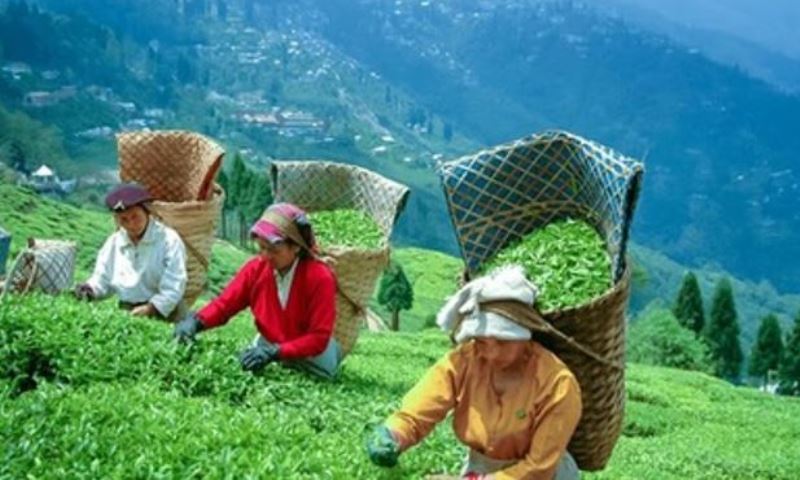
West Bengal has around 449 organised tea estates across Darjeeling, Terai and Dooars, employing approximately 2.62 lakh workers. TIPA warned that the continuing financial distress could accelerate tea garden closures, trigger further migration of workers and weaken investor confidence in the state’s tea sector.
The association has appealed to the Tea Board of India and the Union Ministry of Commerce and Industry to take immediate corrective measures to protect domestic tea producers, preserve the international standing of Darjeeling tea and safeguard the livelihoods of thousands of workers dependent on the industry.