
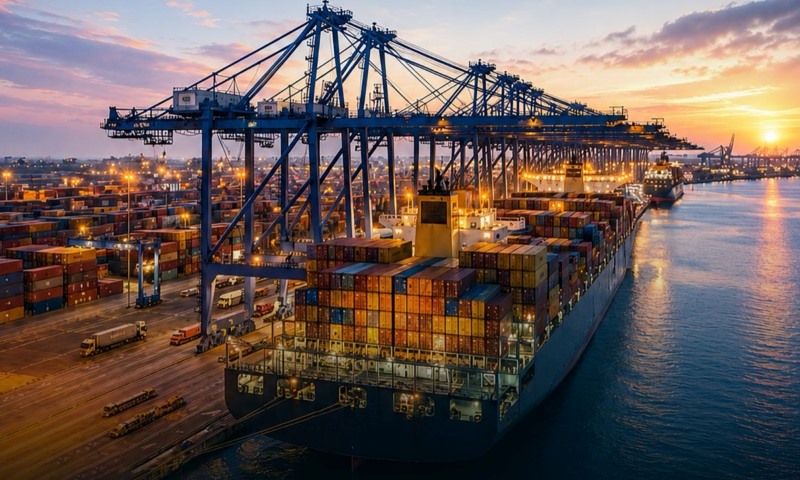
Cavotec has secured an order worth approximately €5 million from the Jawaharlal Nehru Port Authority (JNPA) to deploy its MoorMaster NxG automated vacuum mooring system at the port’s GTI terminal in Mumbai. The project will mark the first deployment of automated mooring technology in India.
The system will be installed at the GTI terminal, operated by APM Terminals, with delivery scheduled for the fourth quarter of 2027. The technology is designed to automate vessel mooring and release operations using vacuum-based equipment, reducing reliance on conventional mooring lines and manual rope-handling activities.
According to Cavotec, the MoorMaster NxG system will help improve berth productivity, operational efficiency and worker safety. Automated mooring can also enable faster vessel berthing and unberthing, potentially contributing to shorter vessel turnaround times.
JNPA Chairperson Gaurav Dayal said the introduction of automated mooring represents an important step towards safer, more efficient and technology-driven port operations. The authority expects faster and safer berthing and unberthing to support improved vessel turnaround and its broader vision of developing JNPA as a smart and sustainable port.
Cavotec CEO David Pagels described India as an important market for the company, citing significant investments in port modernisation and automation. He said the JNPA order provides an important reference for the company as Indian ports accelerate their adoption of automated technologies.
The MoorMaster system uses automated vacuum pads to secure vessels against the berth. Cavotec says its technology can moor vessels in around 30 seconds and release them in about 10 seconds, while reducing or eliminating hazardous rope-handling activities.
The JNPA project expands Cavotec’s existing presence at the port, where its cable reel systems are already installed across terminals. The new contract will extend the company’s involvement into automated vessel mooring and represents a significant step in the adoption of advanced port-automation solutions in India.
For JNPA and its terminal operators, the investment is expected to support higher berth efficiency as vessel sizes and cargo volumes continue to grow. The deployment could also provide a reference point for other Indian ports considering automated mooring as part of wider modernisation and digitalisation programmes.
The project underlines the growing focus on automation, safety and productivity across India’s port sector and could open further opportunities for advanced mooring and terminal technologies as the country’s major gateways invest in next-generation infrastructure.