
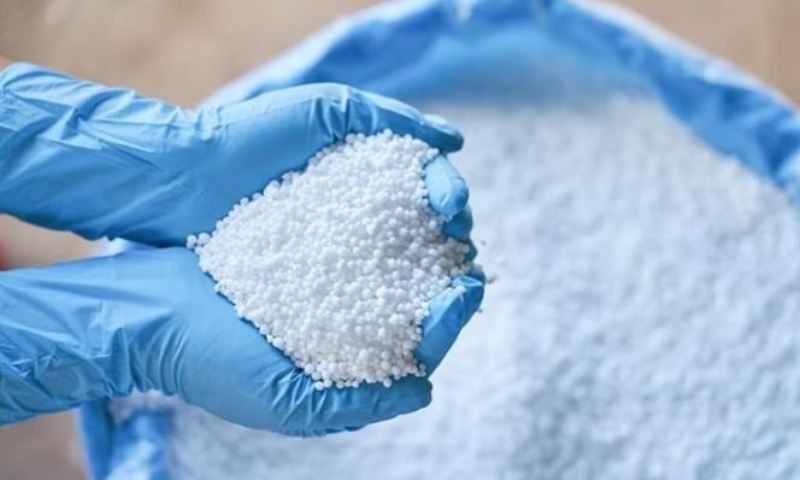
India’s domestic fertiliser industry is facing growing pressure from cheaper imported urea, with a reported price difference of around ₹30,000 putting locally manufactured products at a competitive disadvantage. The widening cost gap is raising concerns about the financial viability of domestic fertiliser plants and the sustainability of local production.
Imported urea, available at significantly lower prices, is creating challenges for domestic manufacturers, particularly as production costs in India remain relatively high. Differences in natural gas prices, feedstock expenses, energy costs and international market conditions influence the competitiveness of locally produced fertilisers.
Urea is one of India’s most important agricultural inputs, playing a critical role in maintaining crop productivity and supporting food security. The country depends on both domestic manufacturing and imports to meet its substantial annual fertiliser requirements.
The price advantage enjoyed by imported supplies could affect demand for domestically produced urea and put additional pressure on fertiliser companies operating under challenging cost structures. Domestic manufacturers are also concerned about maintaining production levels and recovering investments in manufacturing infrastructure.
India’s fertiliser sector operates under a government subsidy framework to ensure that farmers have access to urea at affordable prices. Changes in international prices, import costs and subsidy expenditure therefore have implications for both the industry and public finances.
Industry stakeholders are expected to seek policy measures to address the cost disadvantage faced by domestic producers and ensure a more competitive operating environment.
The growing price gap highlights the challenges involved in balancing affordable fertiliser supplies, import dependence and the long-term viability of India’s domestic fertiliser manufacturing capacity.