
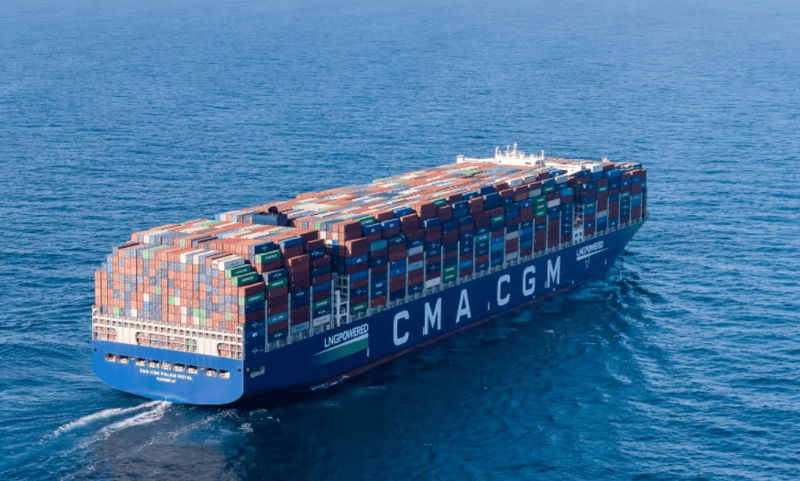
CMA CGM has outlined fumigation and biosecurity requirements for cargo bound for Australia and New Zealand ahead of the 2026/27 high-risk season for the Brown Marmorated Stink Bug (BMSB). The seasonal measures will apply from September 1, 2026, to April 30, 2027.
For Australia, cargo classified as target high-risk or target-risk goods from designated countries must comply with applicable treatment, certification and reporting requirements. Customers are responsible for ensuring that affected shipments meet the required biosecurity conditions.
For New Zealand, affected goods must be fumigated at the country of origin or at approved transhipment ports in Singapore or Port Klang before arrival. CMA CGM said cargo cannot be fumigated after arriving in New Zealand and may have to be returned to an approved transhipment port if treatment requirements are not met.
The carrier also warned that all costs arising from delays to CMA CGM or ANL vessels caused by non-compliance with fumigation rules will be charged to the customer.
The seasonal measures are intended to prevent the spread of BMSB, an invasive pest that poses a significant biosecurity risk to Australia and New Zealand. Exporters and importers are therefore advised to complete required treatment and documentation before cargo is shipped.