
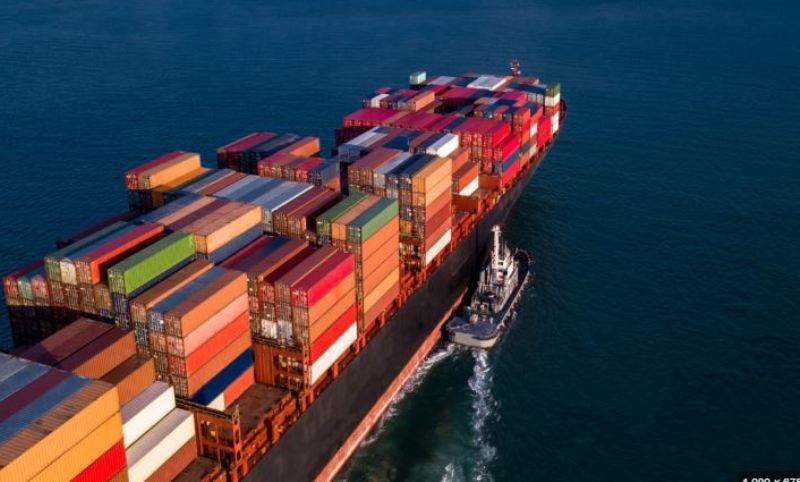
A return by container shipping lines to the Suez Canal route could act as a crucial “release valve” for mounting vessel overcapacity, helping rebalance supply and demand across the global liner market.
Since many carriers diverted services around the Cape of Good Hope to avoid disruptions in the Red Sea, voyages between Asia and Europe have become significantly longer. The extended transit times have absorbed a large amount of global fleet capacity by keeping ships tied up for more days at sea, temporarily tightening vessel supply.
If carriers resume regular Suez transits, voyage durations would shorten substantially, releasing ships back into the market faster and effectively increasing available capacity. Analysts warn that this could expose the industry to renewed overcapacity pressures, especially as a wave of newly built container vessels continues to enter service.
Greater vessel availability could intensify competition among carriers, place downward pressure on freight rates, and challenge profitability on major trade lanes. At the same time, shorter transit times would benefit shippers through faster deliveries, lower fuel consumption, and improved schedule efficiency.
The timing of any return to Suez will depend largely on security conditions in the Red Sea and surrounding region, along with insurance costs and risk assessments by carriers.
Industry observers say a full reopening of the Suez route would mark a major turning point for global container shipping, easing transit disruptions while simultaneously reviving concerns over excess fleet capacity in the market.