
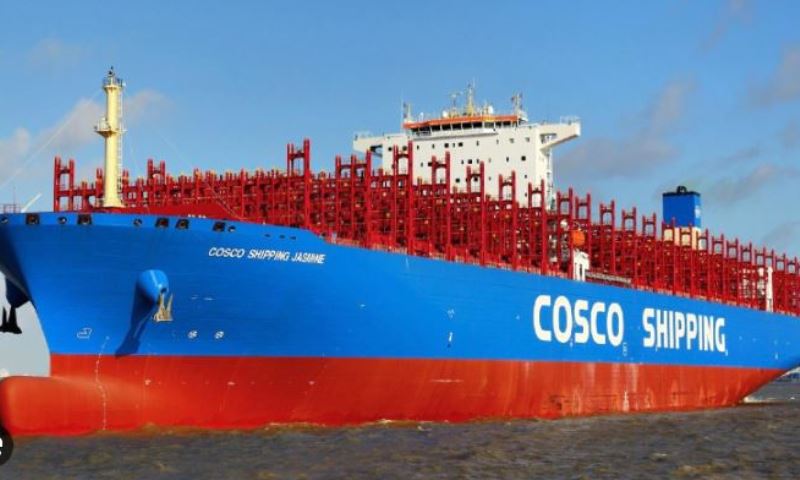
COSCO has completed the conversion of a Supramax bulk carrier into a container ship, marking a notable fleet-adaptation project as the shipping industry looks for ways to repurpose existing tonnage.
The vessel, originally designed to transport dry bulk commodities, has been modified to carry containerised cargo. The conversion involves adapting the ship’s cargo spaces and onboard systems to accommodate containers and meet the operational requirements of liner shipping.
The project highlights an alternative approach to adding container capacity without constructing an entirely new vessel. Converting an existing ship can potentially reduce the time and resources required compared with newbuilding, depending on the vessel’s design and the scope of modifications.
The move comes as container shipping markets continue to experience changes in trade patterns and fleet requirements. Carriers have been assessing different ways to manage capacity while responding to shifts in cargo demand and vessel availability.
Supramax vessels are commonly used for transporting commodities such as grain, coal, minerals and other dry bulk cargoes. Repurposing such a vessel for container operations requires substantial structural and technical changes, including the installation of container fittings and modifications to cargo-handling arrangements.
The conversion also demonstrates the flexibility available within the global merchant fleet. As shipping companies face changing market conditions and increasing pressure to optimise existing assets, vessel conversions can provide another option for extending the commercial life of suitable ships.
For COSCO, the project adds container-carrying capability while making use of an existing hull rather than relying solely on new vessel construction.
The completed conversion could serve as a reference for similar projects if market conditions create demand for additional container capacity and suitable bulk carriers become available for repurposing.