
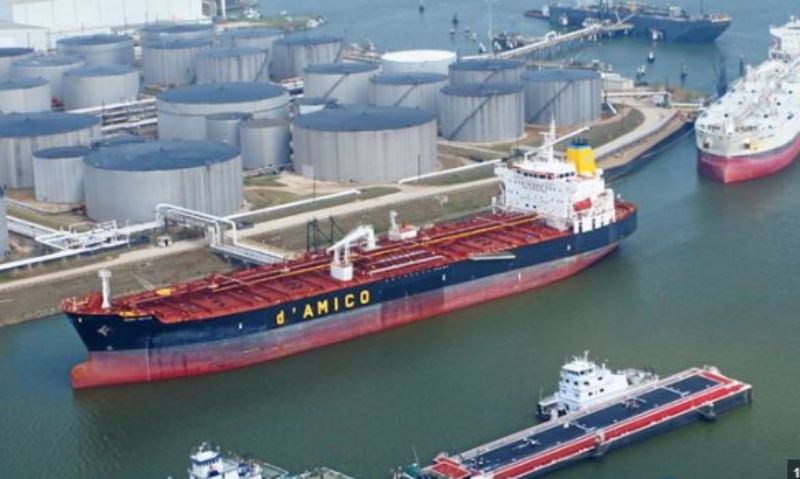
Italian product tanker owner and operator d’Amico International Shipping has agreed to sell the oldest vessel in its fleet, marking another step in the company’s ongoing fleet-renewal drive.
The 47,200 dwt MR tanker Glenda Meryl, built in 2011 at Hyundai Mipo in South Korea, will change hands for $19.5m under a memorandum of agreement signed by d’Amico Tankers, the group’s Ireland-based operating arm. Delivery to the buyers is due before the end of December 2025.
The transaction is expected to generate around $14.5m in cash for the company after commissions and repayment of the vessel’s remaining bank debt.
The sale follows the disposal of two sister ships earlier this year, further reducing the age profile of d’Amico’s fleet. The Milan-and OTCQX-listed company now operates 31 double-hulled product tankers—29 owned and two on bareboat charters—with an average age of roughly 9.7 years.
“With this agreement, we are moving out the oldest ship in our fleet,” said chief executive Carlos di Mottola, adding: “Along with the sale of her two sister vessels, the share of eco-design ships in our fleet will reach 93% by year-end. It’s another key step toward operating a modern, fuel-efficient fleet that supports both our sustainability goals and our profitability.”