
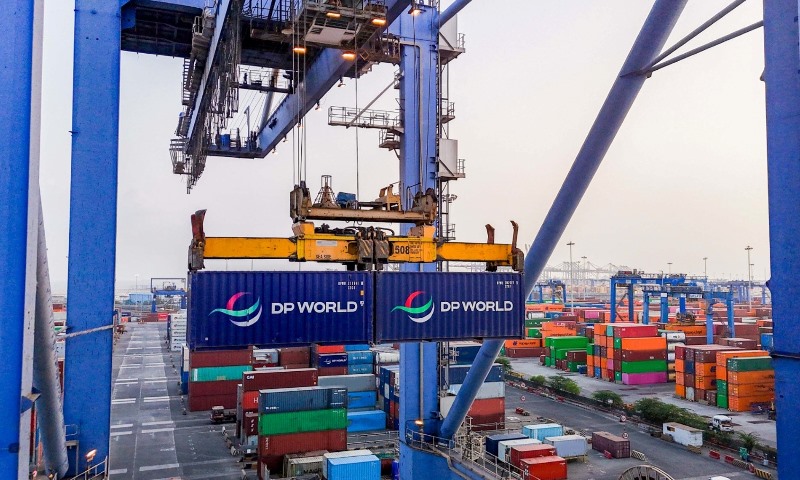
DP World and the United Nations World Food Programme (WFP) have delivered 5,000 metric tonnes of rice to support humanitarian operations in Burundi, the Democratic Republic of the Congo (DRC) and Rwanda, helping vulnerable communities facing acute food insecurity.
The shipments were transported through DP World’s Shipping Solutions business, formerly known as Unifeeder, from DP World’s Mundra Terminal in India to the Port of Dar es Salaam in Tanzania. From Dar es Salaam, WFP moved the cargo overland through its regional logistics network to humanitarian operations across the three countries.
The food supplies will support WFP’s emergency assistance programmes and enable food assistance for more than 14,200 additional people for one month.
The DRC is facing one of the world’s most severe hunger crises, with conflict and displacement contributing to acute food insecurity affecting more than 27 million people. Burundi is also experiencing increased humanitarian pressure following the arrival of families fleeing insecurity in eastern DRC, while Rwanda continues to support refugees and asylum seekers from neighbouring countries.
The latest shipments form part of a broader collaboration between DP World and WFP established in 2025 to improve the efficiency, reach and sustainability of humanitarian logistics networks. Through the partnership, DP World’s Shipping Solutions is leveraging its growing network and fleet to provide enhanced access to critical supplies for communities in need.
DP World’s Shipping Solutions operates more than 100 container vessels, connecting over 200 ports through coastal, short-sea and feedering services, with more than 16,000 port calls annually.
Ganesh Raj, Global Chief Operating Officer, Marine Services, DP World, said: “At DP World, we play a vital role in keeping critical supplies moving when they are needed most. We are proud to support WFP’s life-saving work through our Shipping Solutions network to move 5,000 metric tonnes of rice to East Africa. This partnership shows what can be achieved when humanitarian expertise and global supply chain capability come together with a shared purpose.”
The collaboration highlights the role of commercial logistics networks in strengthening humanitarian supply chains, helping essential food and relief supplies reach vulnerable communities faster, more reliably and at greater scale. It also reflects the growing importance of resilient logistics infrastructure in responding to humanitarian emergencies and supporting long-term recovery.