
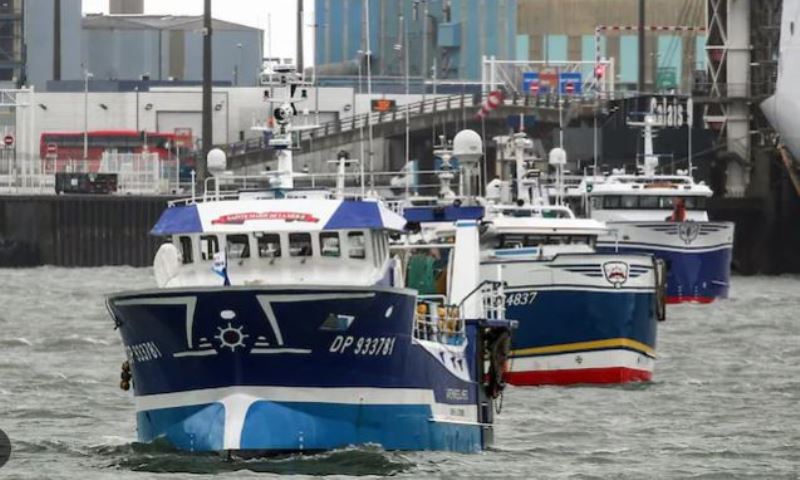
French fishermen’s protests over rising fuel costs have disrupted activity at several Mediterranean ports, creating temporary obstacles for maritime and coastal logistics.
On September 17, fishermen blocked access to ports including Sète and Nice, while action was also reported at the Frontignan oil depot. At Sète, around 30 boats were reported to be restricting port access, while vessels also blocked the entrance to Nice.
The protests are linked primarily to soaring diesel prices and wider concerns over operating costs and regulatory pressures facing the fishing industry. The mobilisation has spread across parts of France’s Mediterranean coast, following earlier action at Fos-sur-Mer.
The blockades have affected maritime movements and access to fuel infrastructure, with potential implications for coastal cargo operations and port-dependent supply chains. The port of Nice was temporarily closed during the action before reopening later in the day.
The French government has increased fuel support for fishermen from 25 to 35 euro cents per litre. Following talks with representatives, Maritime and Fisheries Minister Catherine Chabaud said fishermen had committed to lifting the blockades, while additional financial measures were discussed.
The developments highlight how rising energy costs can quickly translate into operational disruptions across maritime networks, particularly when protests target ports and fuel facilities.