
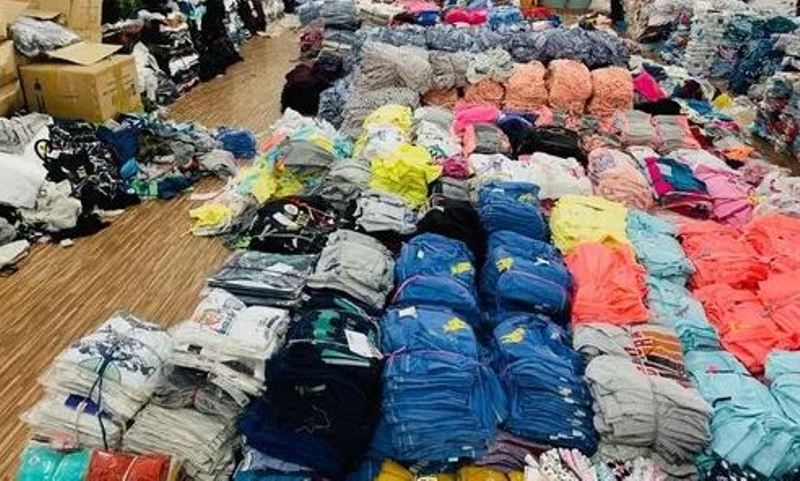
Apparel exports from India to the U.S. are expected to slowdown till a bilateral trade agreement (BTA) is signed between the two countries.
Sudhir Sekhri, chairman of AEPC, said in a release that the U.S. tariff of 25% is higher than what was expected. The BTA should hopefully be concluded by October-December 2025. “The penalty is a grey area and we hope the government will negotiate this with the U.S.,” he said.
The U.S. held 33% share in India’s total garment exports in 2024. India’s presence in the U.S. garment import market has grown, with its share increasing from 4.5% in 2020 to 5.8% in 2024, he pointed out.
This steep tariff increase puts immense pressure on Indian exporters, many of whom operate on wafer-thin margins. Exporters may be forced to either absorb the additional costs, hurting profitability, or pass them on to U.S. buyers, which can further dampen demand. The impact will be particularly severe on MSMEs and labour-intensive units, said executive director of the Cotton Textiles Export Promotion Council Siddhartha Rajagopal.
According to A. Ravikumar, executive director, Manmade Fibre and Technical Textiles Export Promotion Council (MATEXIL), the development had created considerable uncertainty among U.S. buyers, who are currently unclear about the final tariff structure that will be applicable. As a result, many importers have adopted a cautious approach and are holding back on placing new orders.