
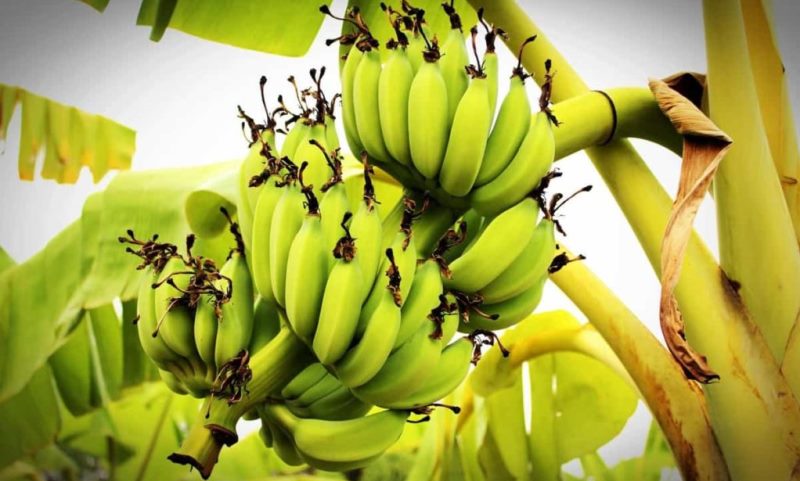
India’s banana exporters are facing severe disruption to shipments and payments after escalating tensions between Iran and the United States disrupted trade flows through key Middle East markets, industry sources say.
Exporters told FreshPlaza that a bunch of containers carrying green Cavendish bananas are stuck in Iran with no payments being received, forcing traders to resort to barter arrangements — including swapping banana consignments for apples — as a workaround to secure any compensation at all.
Trade Headwinds in Key Markets
Iran has traditionally been a major buyer and re‑export hub for Indian bananas destined for Afghanistan and the wider CIS region, but currency volatility and frozen remittances linked to the geopolitical standoff with the U.S. have strangled payment channels and slowed shipments.
“About 10 containers are stuck there with zero remittance value,” said Mariam Ali of Preciouss Import & Export, highlighting how the bumper harvests from Andhra Pradesh and Maharashtra — India’s APEDA‑approved banana export states — are now piling up unsold.
Shifting Gulf Demand and Competition
While Dubai continues to take some volume — albeit at softer prices — exporters say competing origins such as Vietnam, Ecuador and the Philippines are gaining traction in Gulf markets like Saudi Arabia, Qatar and Kuwait, where stricter certification requirements and longer shelf life needs complicate India’s traditional trade patterns.
This shift comes amid broader geopolitical uncertainty affecting West Asia trade lanes, where disruptions have been flagged as a risk to a range of Indian exports including basmati rice, tea and other agricultural commodities. Analysts previously warned that conflicts involving Iran could strain shipping routes, insurance costs and payment flows for Indian firms active in the region.
Domestic Impact and Outlook
The export slowdown is already rippling back to domestic markets, with excess harvests putting downward pressure on prices and squeezing farmer margins ahead of peak demand periods such as Ramadan. Exporters are pushing for alternate markets and strengthened financial risk mechanisms, while growers await more stable conditions in key buying regions.
As tensions in the Middle East persist — including broader Iran–U.S. friction — Indian agricultural exporters are bracing for potential continued volatility in trade access, payment security and freight logistics across several product categories tied to the region’s key markets.