
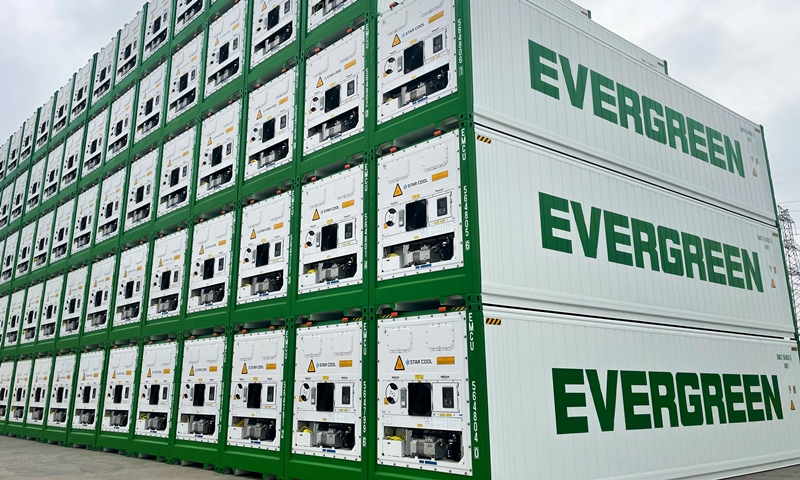
Global reefer container production is projected to reach approximately 223,000 units by the end of 2026, slightly below the record 231,300 units manufactured in 2025, according to industry data reported by World Cargo News.
Production momentum has remained robust, with 174,464 units manufactured during the first nine months of 2026, representing a 7% increase compared with the corresponding period last year.
Ocean carriers continue to account for the largest share of demand, representing approximately 60.5% of reefer container deliveries. MSC leads carrier demand, followed by CMA CGM, Maersk and Evergreen.
Leasing companies are also expanding their refrigerated container fleets to meet growing equipment requirements. SeaCube Container Leasing has emerged as the largest reefer lessor, while Florens, Textainer and CAI have also increased their inventories.
China International Marine Containers (CIMC) continues to dominate global reefer manufacturing. Meanwhile, manufacturers such as FUWA Guangdong are recording significant production growth, reflecting the continuing demand for refrigerated equipment.
Shipping Disruptions Support Equipment Demand
Prolonged vessel diversions around the Cape of Good Hope, continuing security concerns in the Red Sea region and operational uncertainties affecting major shipping routes have contributed to longer transit times and reduced equipment availability.
As vessels spend more time completing voyages, refrigerated containers remain tied up for longer periods, increasing the need for additional equipment to maintain service levels.
Concerns over Panama Canal restrictions and port congestion have further encouraged carriers and leasing companies to strengthen their equipment reserves, particularly for temperature-sensitive cargo moving across long-distance trade routes.
Replacement Demand to Support Future Production
The global reefer container market is also approaching a significant replacement cycle. An estimated 850,000 TEU of refrigerated equipment manufactured between 2013 and 2016 could reach retirement age by 2030.
The replacement of ageing containers, together with demand for modern refrigeration systems and advanced controlled-atmosphere technologies, is expected to provide additional support to manufacturers over the coming years.
Despite production remaining below the exceptional levels recorded in 2025, the outlook indicates sustained demand for refrigerated container equipment as global perishable cargo trade expands and shipping networks continue to face operational uncertainties.