
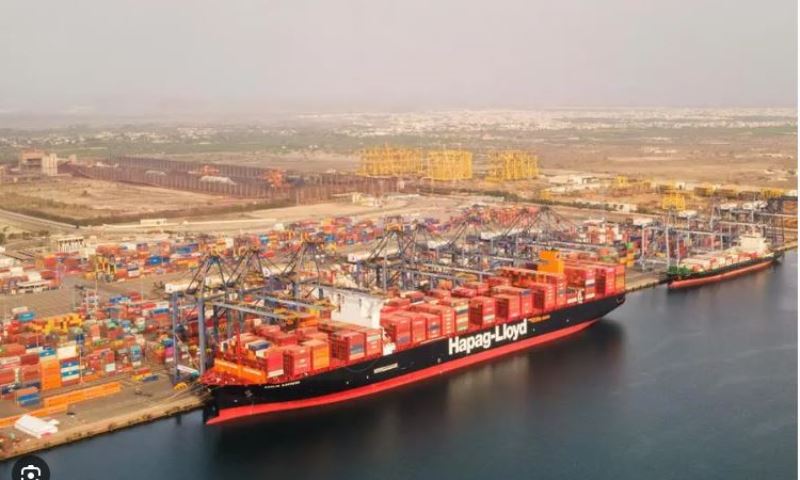
Hapag-Lloyd has warned customers of potential disruptions to vessel operations, terminal handling and inland cargo movements as industrial action affects ports across Germany and Rotterdam this week.
A 48-hour strike began at 22:00 on September 2 across all German ports. The stoppage is expected to affect vessel movements, terminal operations and inland transportation during the strike period.
Major German ports, including Hamburg, Bremerhaven, Bremen, Wilhelmshaven, Emden and Brake, are affected by the industrial action. The strikes are linked to an ongoing wage dispute involving German seaport workers and employers.
Separately, industrial action is scheduled in Rotterdam on September 4 from 11:00 to 19:00, affecting all terminals in the port. Hapag-Lloyd expects the stoppage could delay vessel and cargo handling as well as inland transportation.
The Rotterdam action is separate from the German wage dispute. Dutch trade unions have called the stoppage as part of wider industrial action linked to proposed changes to the Netherlands’ social security system.
Hapag-Lloyd said its teams are monitoring developments and working with operational partners to mitigate the impact on customers’ supply chains. The carrier added that further updates would be issued as reliable information becomes available.
The disruptions come as North European ports continue to manage high levels of vessel and inland transport activity, raising the potential for strike-related delays to extend beyond the immediate stoppage periods.