
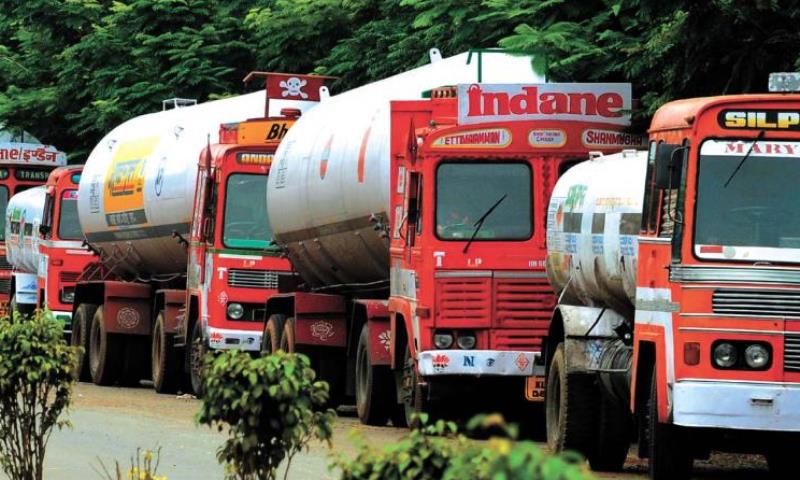
With the shrinking of country’s construction works, import of petroleum products via Birgunj Customs has also been heavily dropped.
According to the Birgunj Customs Office, the import of diesel and petrol through the customs checkpoint here has fallen by over 25 percent.
Birgunj is known as the trade transit point importing highest volume of diesel and petrol to the country. A total of 135,518 kilolitres of high-speed diesel worth Rs 12.66 billion has been imported to the country via Birgunj during the three months of the current fiscal year.
According to chief administrator of the Customs Office Deepak Lamichhane, the import of high-speed diesel has decreased by 25.33 percent in the same period of the current fiscal year compared to that of the last fiscal year.
Revenue collection has also decreased by 27.43 percent with the decrease in diesel imports .
Under the Motihari-Amlekhgunj petroleum pipeline project, high-speed diesel is being imported through the pipeline while petrol import is being done through tankers. According to Nepal Oil Corporation’s Provincial Office Chief at Amlekhgunj, Pralayankar Acharya the consumption of petroleum products has decreased due to lack of infrastructure and development activities. According to him, imports will increase as infrastructure and development activities increase.
Consumption of petroleum products has also decreased due to the increase in public attraction towards electric vehicles.
Federation of Contractors’ Association of Nepal (FCAN)’s general secretary Roshan Dahal complained that the construction sector has not been able to pace up during the rainy season and non-payment of completed projects by the government agencies.