
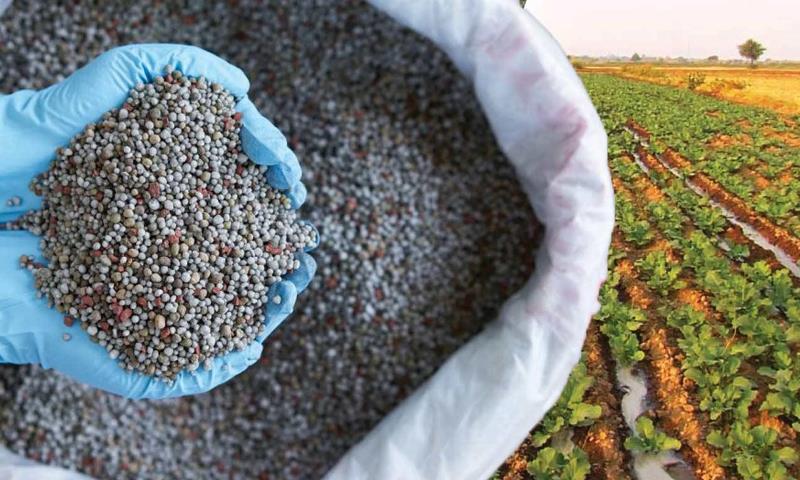
India is stepping up efforts to expand its domestic fertilizer manufacturing capacity to reduce dependence on imported phosphatic fertilizers and strengthen the country’s agricultural supply chain. The move is aimed at improving fertilizer availability, limiting exposure to international price fluctuations and enhancing long-term supply security.
Phosphatic fertilizers, particularly di-ammonium phosphate (DAP), are essential for agricultural productivity and soil nutrient management. However, India continues to rely significantly on imports to meet domestic demand, leaving the sector vulnerable to global supply disruptions, geopolitical tensions and volatility in international commodity prices.
The government is encouraging investments in new production facilities, capacity expansion and improved utilisation of existing fertilizer plants. Greater domestic production is expected to help bridge the gap between demand and supply while reducing pressure on foreign exchange reserves.
India’s fertilizer import dependence has also highlighted the importance of securing reliable supplies of key raw materials, including rock phosphate, phosphoric acid and ammonia. Expanding domestic manufacturing capacity will therefore need to be supported by stable access to these inputs and stronger supply-chain arrangements.
The initiative is expected to complement broader efforts to strengthen India’s fertilizer industry, promote efficient nutrient use and reduce vulnerability to external market developments.
As agricultural demand continues to grow, increasing domestic phosphatic fertilizer production will be important for ensuring timely availability to farmers, particularly during peak sowing seasons. The success of the strategy will depend on investment, raw material security, production economics and sustained policy support.