
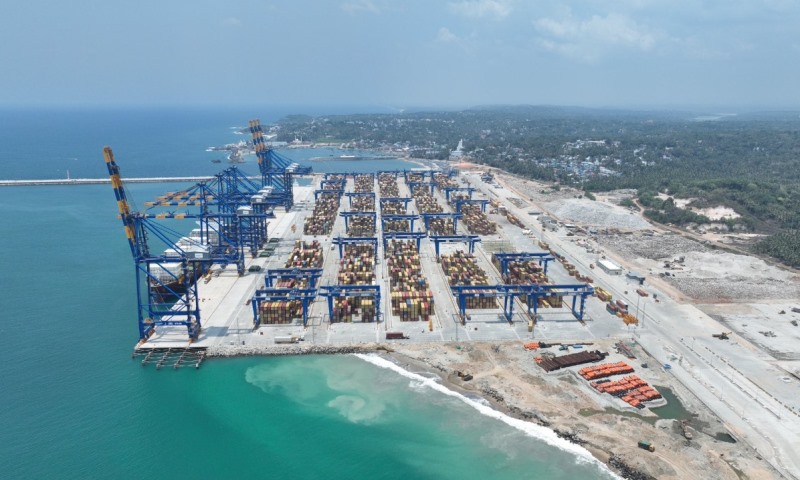
Plans for further dredging at the Vizhinjam International Seaport in Kerala have triggered protests from local fishing communities, who fear that the proposed activities could affect marine ecosystems, fishing grounds and their livelihoods. In response to the concerns, the Kerala government has assured fishermen that an impact study will be conducted to assess the potential consequences of the dredging operations.
Fishermen have raised concerns that large-scale seabed excavation and changes to coastal conditions could disturb fish habitats, affect fish availability and alter traditional fishing patterns. They have also called for greater consultation with affected communities before proceeding with additional dredging activities.
Dredging is an essential component of port development and maintenance, helping accommodate larger vessels by increasing navigational depth and ensuring safe access to harbour facilities. However, fishing communities have repeatedly highlighted the need to balance port expansion with environmental protection and coastal livelihood security.
The government’s assurance of an impact assessment is expected to address some of these concerns by examining the possible effects on marine biodiversity, coastal processes and fishing activities. The findings could help determine appropriate safeguards and mitigation measures before further work proceeds.
Fishermen staged a blockade on Friday, using fishing boats to prevent the dredger from operating off Adimalathura. The protest continued throughout the day before the fishermen agreed to move away following arrangements for a meeting at the district collector’s office.
At the meeting on Saturday, the district administration assured representatives of the fishing community that the impact of dredging would be studied before a decision was taken. However, fishermen maintained that dredging should not continue and warned of renewed protests if operations resumed.
An Adani Ports official stated that the dredging was being carried out with environmental clearance and in an authorised area.
The developments highlight the continuing challenge of balancing the expansion of a major maritime infrastructure project with the environmental concerns and livelihood interests of coastal communities.