
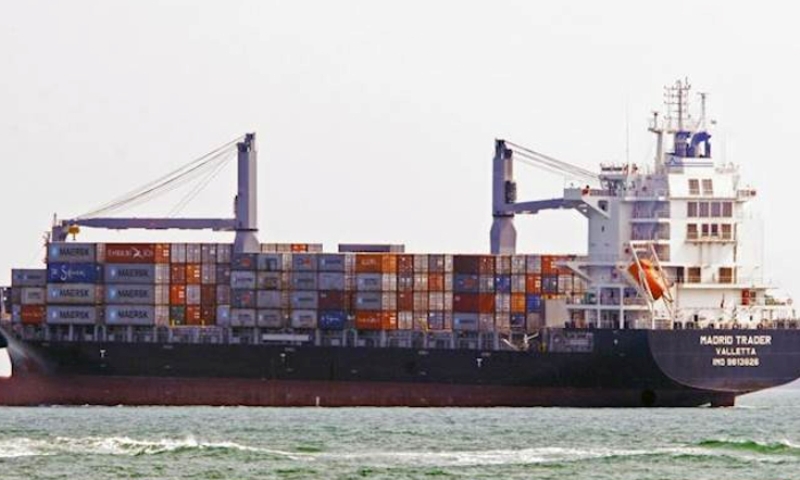
Global container freight rates have surged by 130% since February 2026, increasing the cost of bringing goods into India as renewed tensions in the Middle East put pressure on international shipping routes. According to a report by brokerage firm Jefferies, freight rates have risen sharply despite continued growth in India’s container-based export-import trade.
Global container freight rates increased from approximately US$2,000–2,500 in February to around US$4,000–4,500 in October 2026. The rise reverses the easing trend seen through much of 2025 and early 2026, when improved demand-supply conditions helped reduce shipping costs.
The increase is raising concerns for Indian importers, manufacturers and businesses dependent on overseas supplies. Higher freight charges can increase the landed cost of imported raw materials, components and finished products, potentially adding to operating expenses and consumer prices.
Despite the rise in shipping costs, India’s container-based trade continued to expand. The value of containerisable exports and imports increased 23% year-on-year in September 2026. Exports grew 22%, while imports rose 23%. Shipments to the United States recorded 48% growth, although exports to the United Arab Emirates and Saudi Arabia declined by 12–15% compared with September last year.
India’s port performance showed mixed trends. Cargo volumes at major ports rose 13% year-on-year in September, while non-major ports registered a 1% decline. Gujarat’s non-major ports recorded 3% growth, while ports in Maharashtra and Tamil Nadu posted increases of 6–7%.
The potential return of shipping lines to the Suez Canal remains an important factor for the industry. Changes in route choices could influence transit times, vessel capacity and freight rates, depending on security conditions and operational decisions by carriers.
With global freight rates significantly above their February levels, developments in the Middle East will remain a key factor for India’s import costs and international trade. Importers and exporters will need to monitor freight movements and route disruptions while managing logistics expenses and supply-chain risks.