
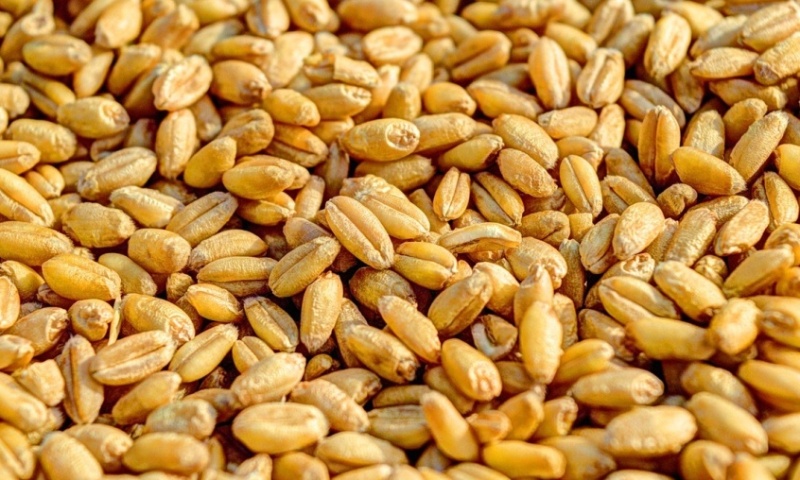
India has lifted export restrictions on wheat flour and related products with immediate effect, ending a four-year period of tight controls on overseas shipments. The Directorate General of Foreign Trade (DGFT) has revised the export policy for wheat or meslin flour, maida, semolina, wholemeal atta and resultant atta from “Prohibited” to “Free.”
The decision marks a significant liberalisation of India’s wheat-based food product trade. Exporters can now ship products covered under HS Code 1101 without the earlier quantitative restrictions and authorisation requirements.
The government had imposed restrictions on wheat exports in 2022 amid concerns over domestic availability and a sharp increase in wheat and atta prices following disruptions to global grain supplies after the Russia-Ukraine conflict. India subsequently introduced limited export permissions and quotas as domestic supply conditions improved.
Earlier in 2026, the government had gradually eased the restrictions on wheat flour exports . In January, it permitted 5 lakh tonnes of wheat flour and related products for export, while another 5 lakh tonnes was subsequently authorised in February. These shipments remained subject to DGFT authorisations.
The latest notification removes those restrictions altogether, allowing exporters greater flexibility to respond to overseas demand. The products covered include atta, maida, semolina (rava), wholemeal atta and resultant atta.
The policy change comes as India has become more comfortable with domestic wheat availability. Improved supplies, higher production and softer domestic price pressures have provided greater room for the government to liberalise exports while continuing to monitor food security.
The move is also expected to benefit flour mills, agricultural exporters, food processors and logistics providers by opening additional international markets for Indian wheat-based products. Greater export availability could particularly support shipments to markets with established demand for Indian atta, maida and other processed wheat products.
For the international grain market, India’s return as a more consistent exporter of wheat and wheat products could provide an additional source of supply at a time when global food markets remain sensitive to geopolitical disruptions and logistics constraints. India is one of the world’s largest wheat producers, although its export presence has been constrained since 2022.
The government has also separately moved wheat and durum wheat exports from the prohibited to the free category through a DGFT notification issued on August 24, further signalling a broader relaxation of the country’s wheat export policy.
The end of the restrictions is therefore expected to give Indian exporters greater access to global markets and strengthen the country’s position in international wheat and processed-food trade, while providing greater certainty for businesses involved in sourcing, processing, transportation and export logistics.