
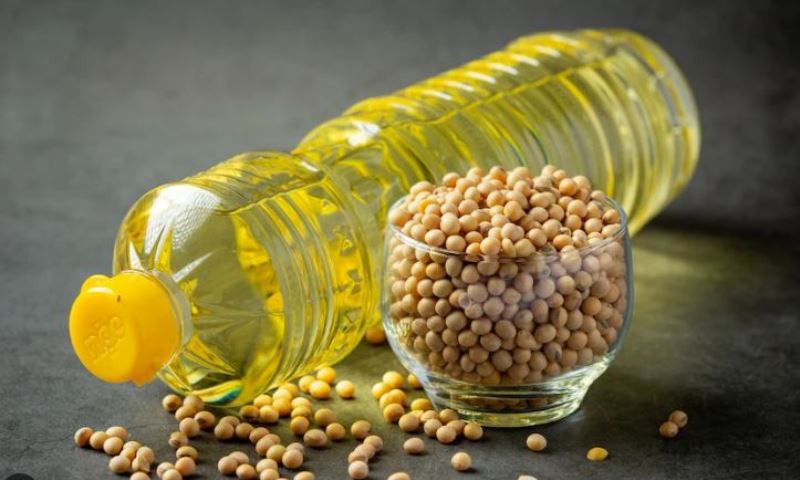
India’s oilmeal exports declined sharply by 65% in July, mainly due to a steep fall in soybean meal shipments, highlighting challenges in the country’s oilseed processing and agricultural export sectors.
Oilmeals, which are produced during the extraction of oil from oilseeds, are widely used as protein-rich ingredients in animal feed and livestock production. Major products in India’s oilmeal export basket include soybean meal, rapeseed meal, castor meal and rice bran extraction.
The decline in exports was largely attributed to weaker soybean meal shipments, which affected overall outbound volumes. Changes in international demand, competition from other exporting countries and price movements can influence the competitiveness of Indian oilmeals in overseas markets.
India’s oilmeal exporters also face challenges related to raw material prices, availability, quality requirements and freight costs. These factors can affect export pricing and the ability of domestic suppliers to compete in key international markets.
The sharp July contraction highlights the need to strengthen market access, improve price competitiveness and diversify export destinations. Expanding demand in overseas livestock and aquaculture feed industries could provide opportunities for Indian exporters.
The performance of oilmeal exports in the coming months will depend on international demand, soybean meal availability, global prices and the competitiveness of Indian supplies.