
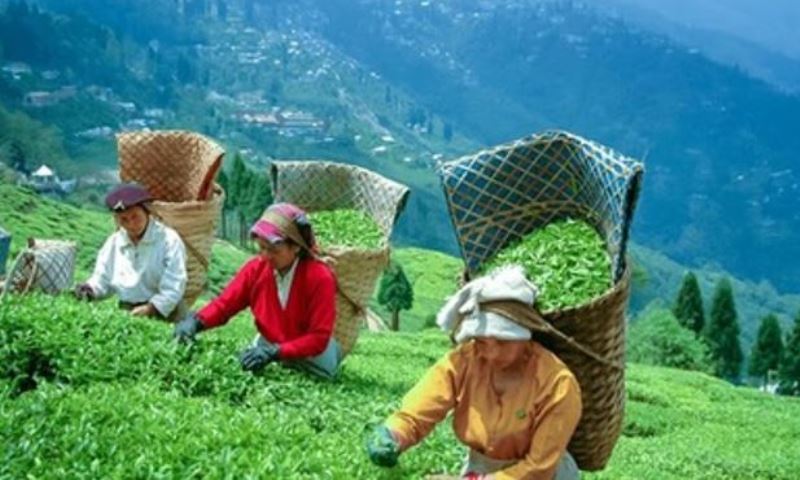
India continues to hold its position as the world’s largest producer of black tea while ranking third among global tea-exporting countries, highlighting its significant role in the international tea industry.
The country’s strong production base is supported by major tea-growing regions such as Assam, West Bengal, Tamil Nadu and Kerala. Indian black tea varieties, including Assam, Darjeeling and Nilgiri, enjoy recognition in international markets for their distinctive flavours and quality.
Despite its leadership in black tea production, India ranks behind the leading tea-exporting countries in terms of overseas shipments. A substantial share of domestic tea production is consumed within the country, making India one of the world’s largest tea-consuming markets as well.
India exports tea to several international destinations, including markets across West Asia, Europe, Russia, the Commonwealth of Independent States and other parts of Asia. Black tea accounts for a significant portion of these shipments.
The tea industry remains an important contributor to India’s agricultural economy, supporting millions of livelihoods across plantations, processing facilities, packaging operations and the wider supply chain.
However, the sector faces challenges from rising production costs, climate-related disruptions, labour availability and competition from other major tea-producing nations.
Industry stakeholders are looking to improve productivity, strengthen quality standards, expand value-added tea products and explore new international markets to increase export earnings.
India’s continued leadership in black tea production, combined with its established reputation in global tea markets, provides opportunities to further strengthen its export position. Greater emphasis on branding, quality assurance and market diversification could help the country narrow the gap between its production leadership and export ranking.